

Fail better.
Fail better.
June 18 to July 14, 2016
in Ingelheim am Rhein
Preface
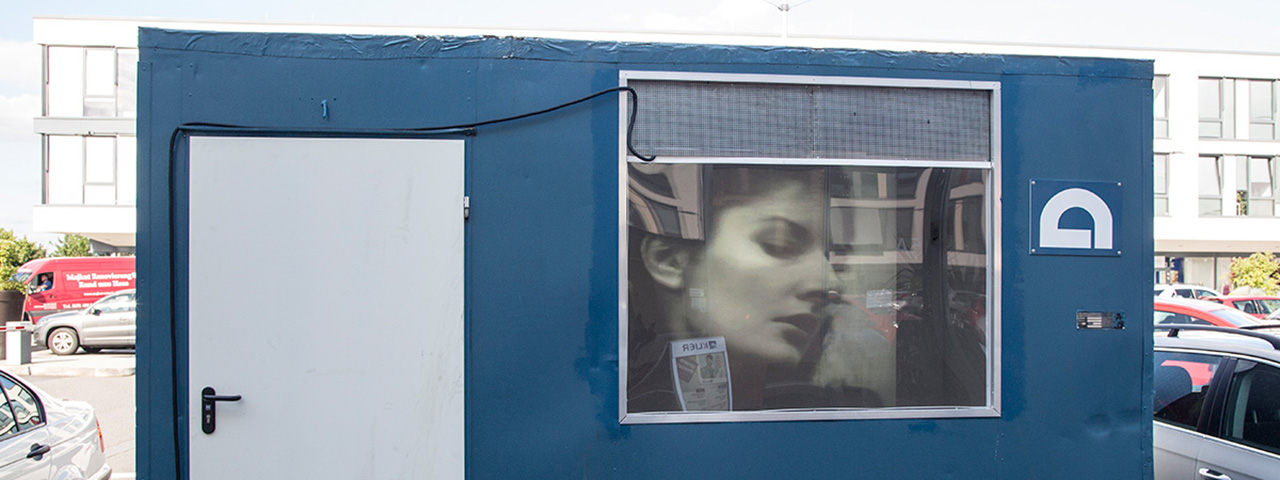
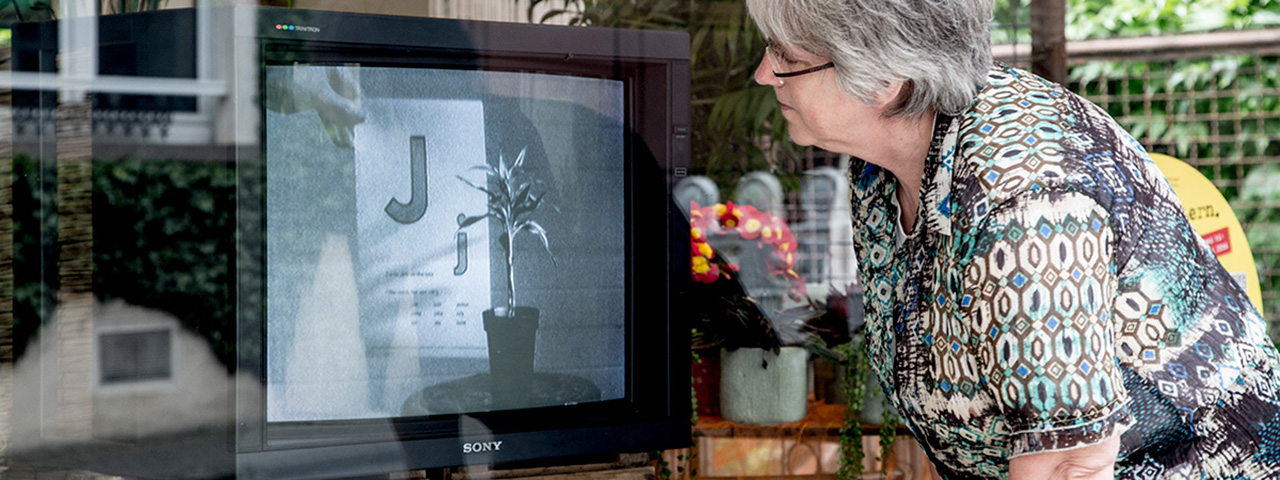
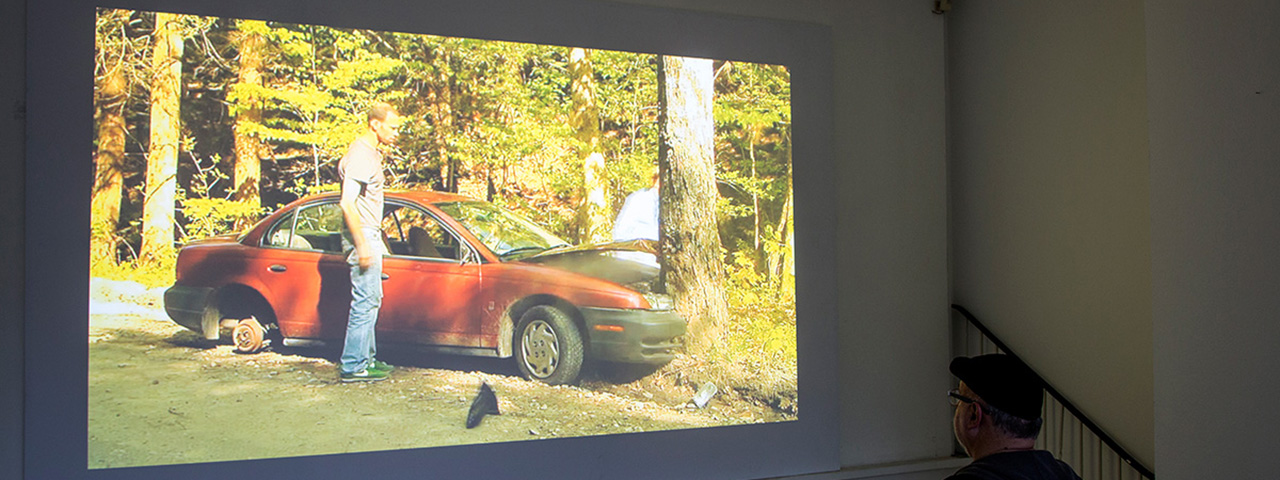
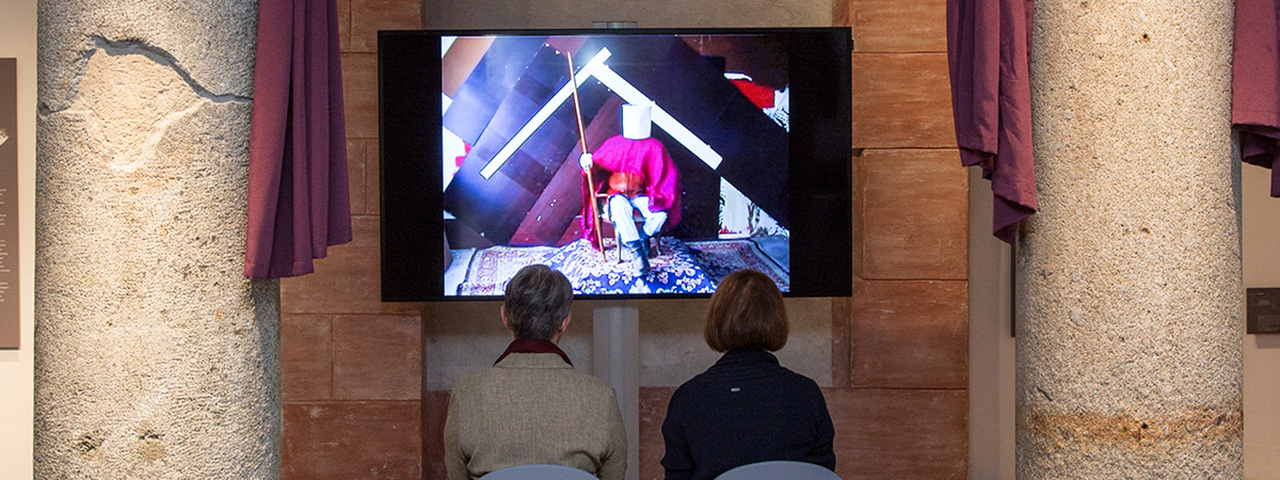
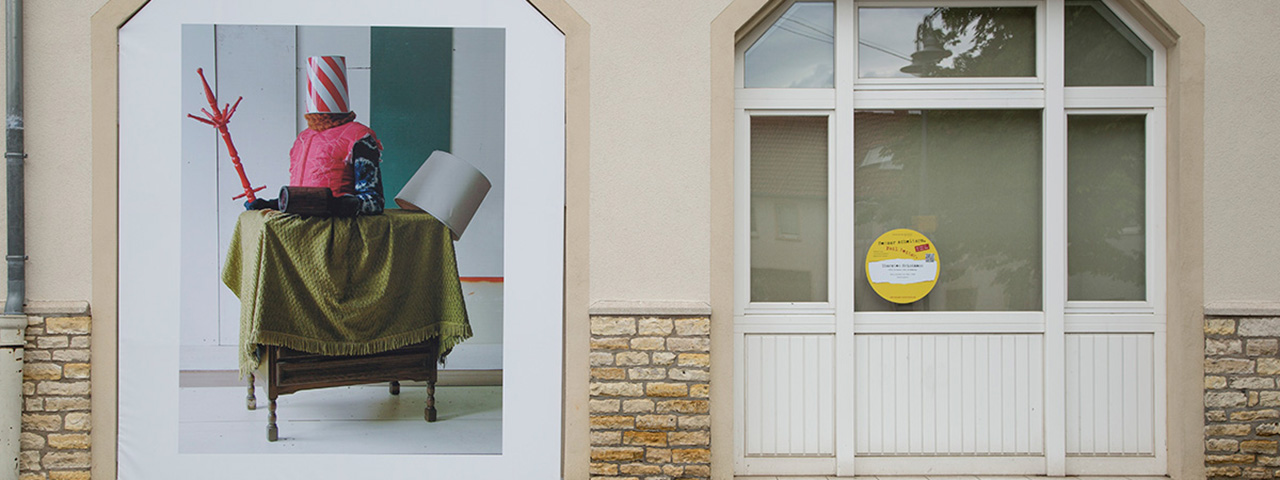
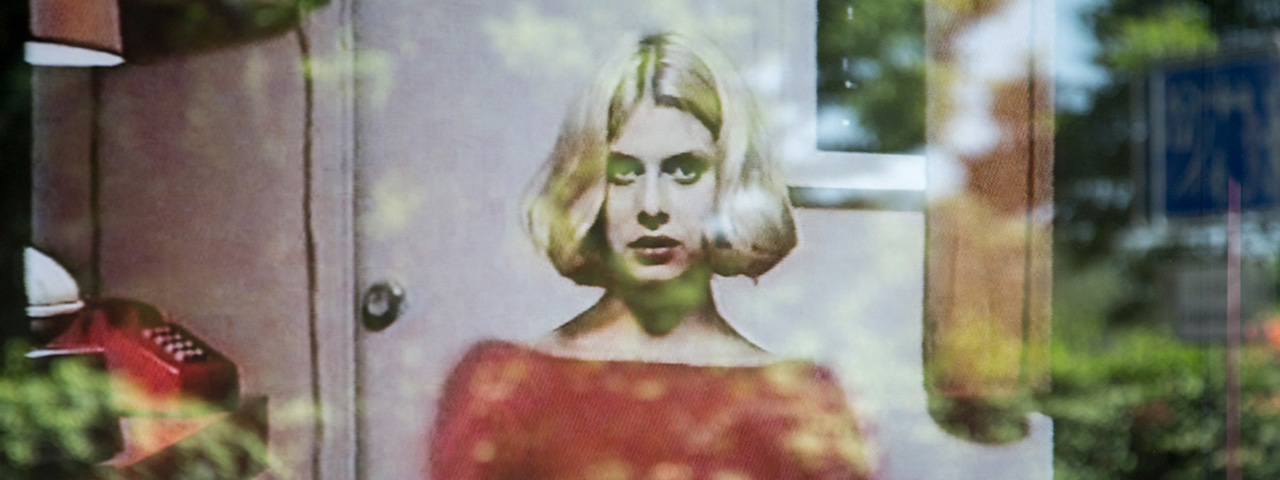
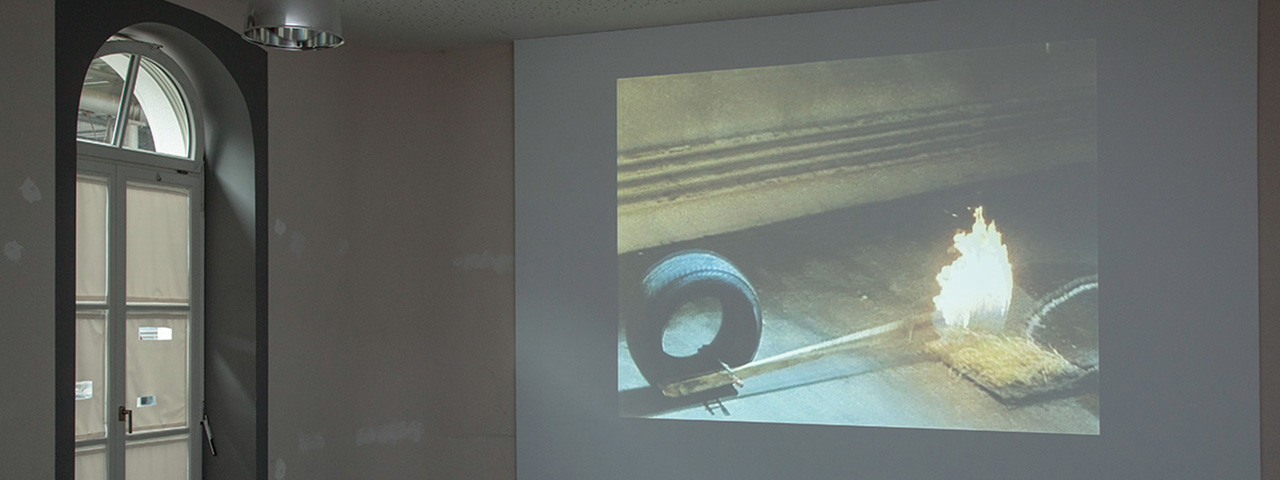
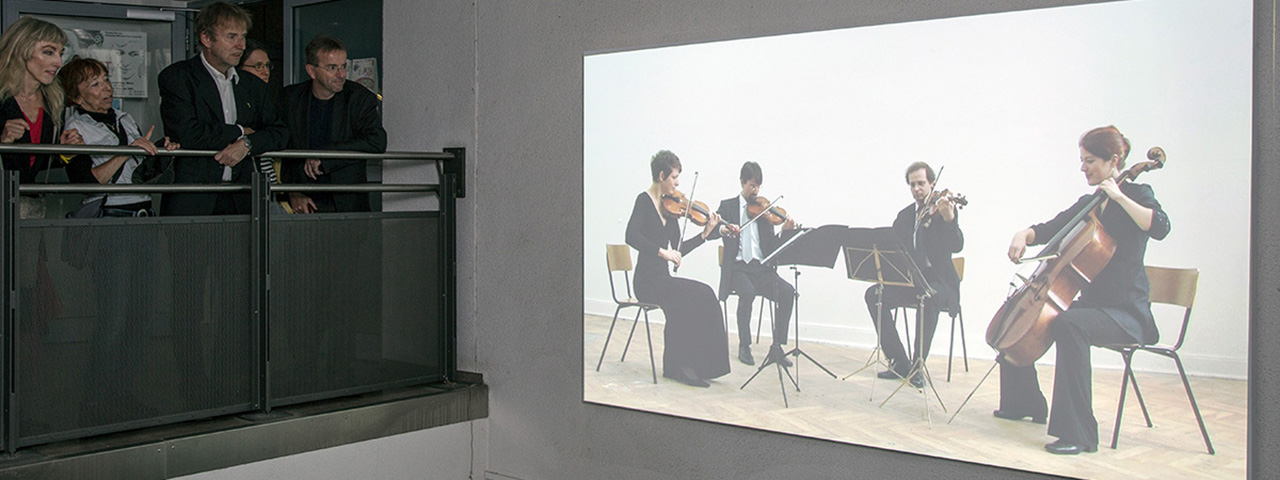
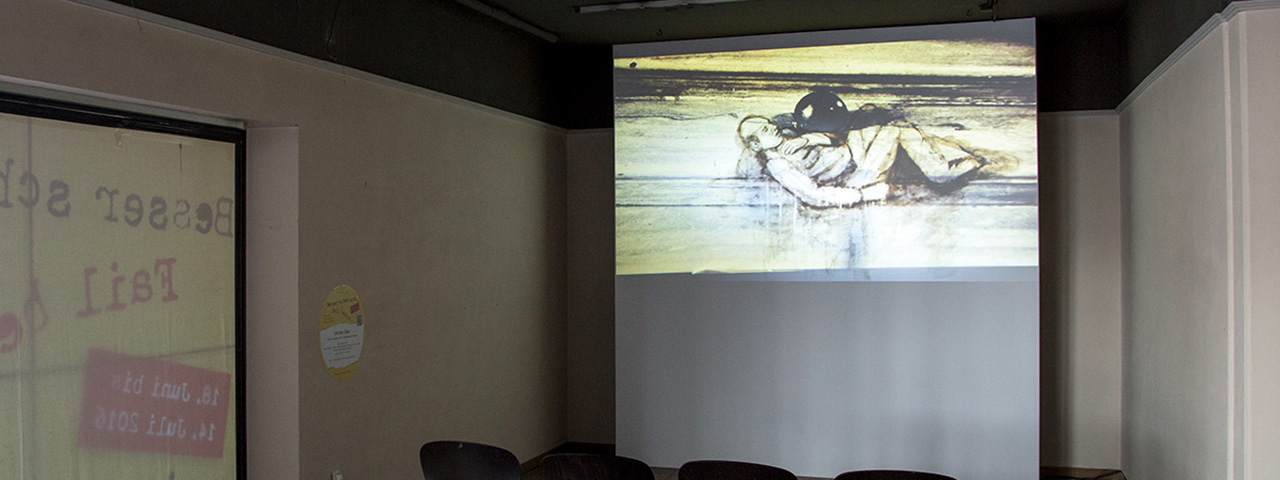
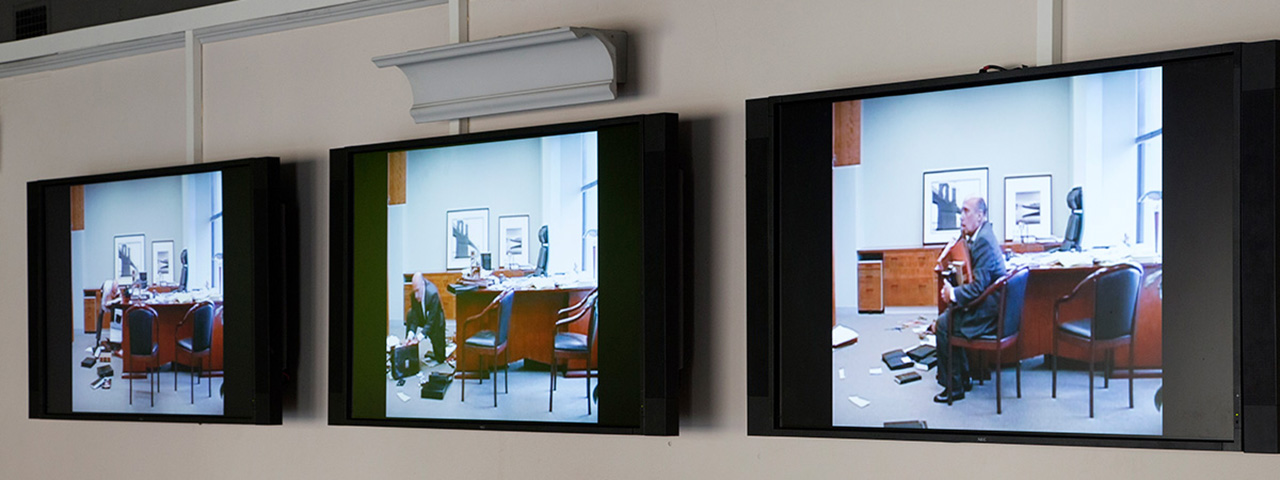
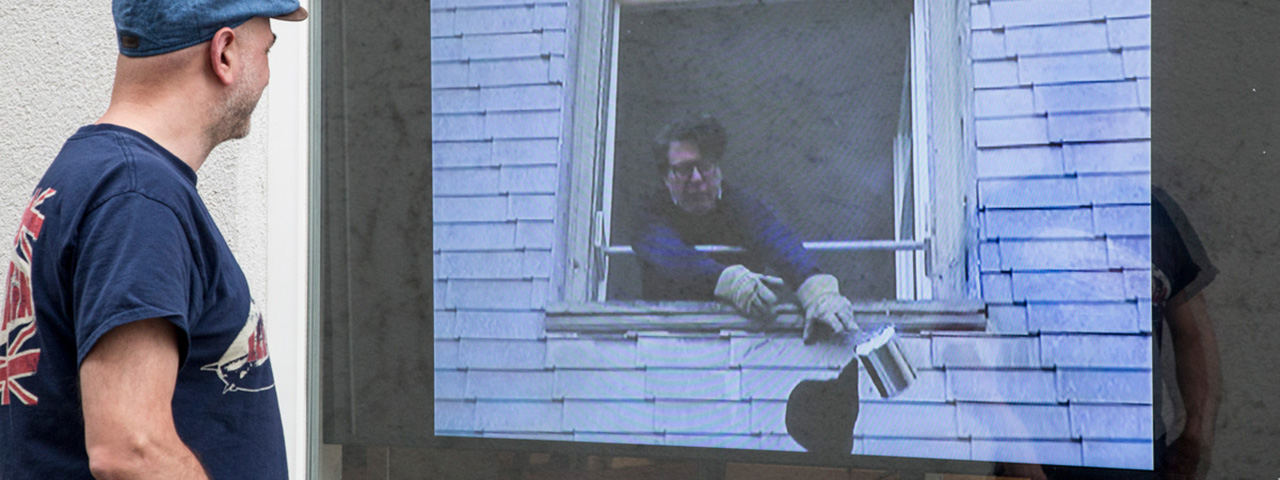
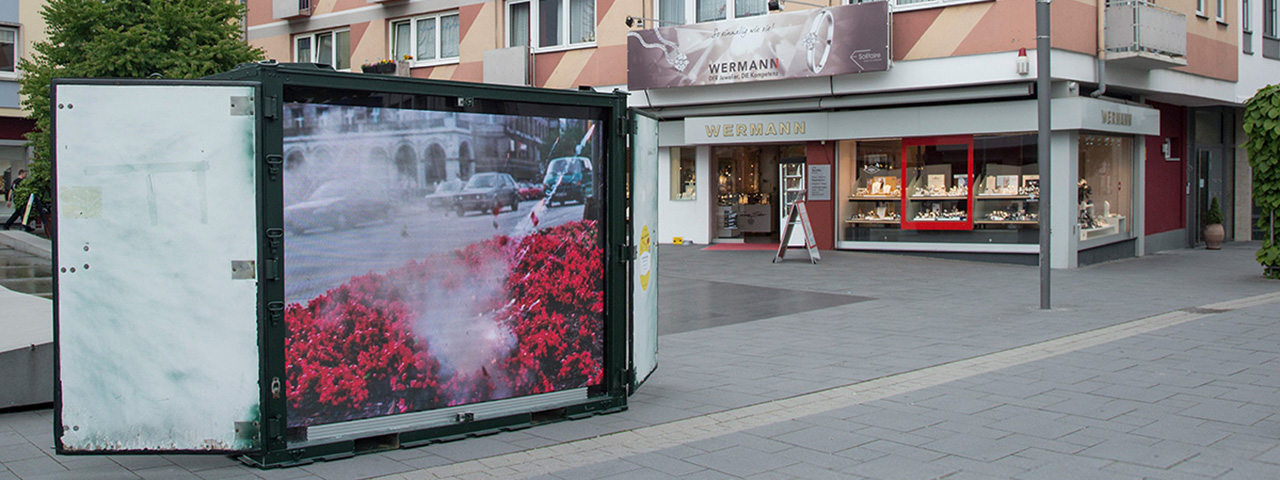
The construction work for the renovation and expansion of the Old Town Hall, where the exhibitions of the Internationale Tage Ingelheim have been held since 1983, did not allow for an exhibition there. For this reason, the Internationale Tage 2016 appeared unusual. Decentralized, spread over various locations in the center of the city, videos from the 1970s to the present day by internationally renowned artists were shown.
We were able to win Dr. Brigitte Kölle to modify and re-curate this project, which she had already developed for the Hamburger Kunsthalle in 2013, for Ingelheim. With this project, which is new for Ingelheim, we wanted to stimulate, excite, amuse and entertain.
Content & Concept
“Try again. Fail again. Fail better,” as the well-known Irish writer Samuel Beckett put it. In accordance with Beckett’s credo, the Internationale Tage Boehringer Ingelheim presents video and film works from the 1970s to the present day. Internationally renowned artists explore the complex phenomenon of failure: playful, lustful, tragic, comical, mourning, surprising.
There is little room for failure, setbacks and defeats in our success-oriented society, in the age of feasibility and belief in progress. Performance, efficiency and success are in demand. No wonder that the American sociologist Richard Sennett once described failure as the great taboo of modernity. People are reluctant to talk about failure, especially personal failure, as it implies the admission of a borderline experience in which nothing is the same as it was before. But does failure necessarily mean failure? It is precisely in the paradox of failure that collapse and new beginning, resignation and hope coincide: in this way, something unexpectedly new and different can develop from the apparent defeat.
In art, failure as a necessary risk, as a form of experiment, has always been closely linked to the artistic creative process. Failure in art implies that the secure and familiar terrain has been abandoned and something extraordinary has been dared. The writer Wilhelm Genazino once rightly described artists as “gymnasts of failure”. Art is thus understood as an open, searching process, beyond a necessarily completed product or the creation of a masterpiece. The preoccupation with inability and the Sisyphean working through the absurdities of life, which articulates itself in permanent repetition, has not lost its appeal for artists to this day – on the contrary: the experience of failure proves to be a fundamental question of artistic practice today.
Curator: Dr. Brigitte Kölle