
Lyonel Feininger /
Alfred Kubin
An artistic friendship
May 24 to August 2, 2015
at the Old Town Hall, Ingelheim
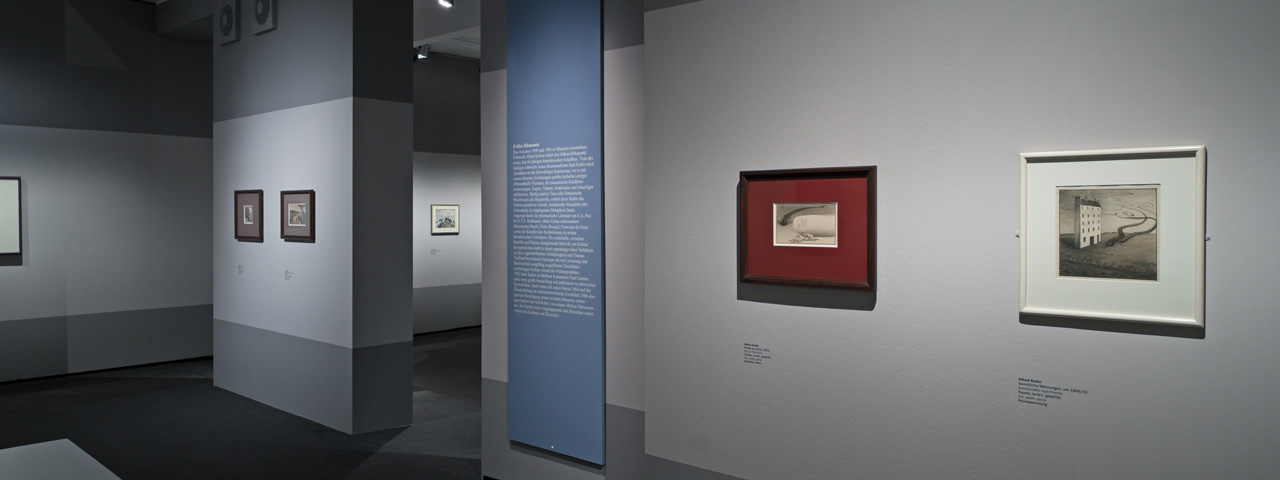
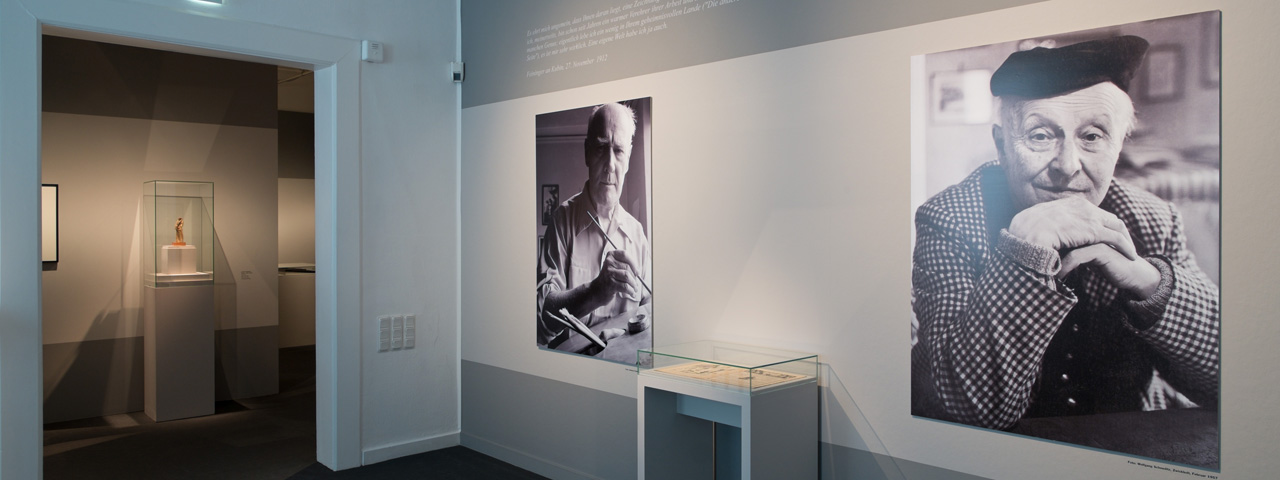
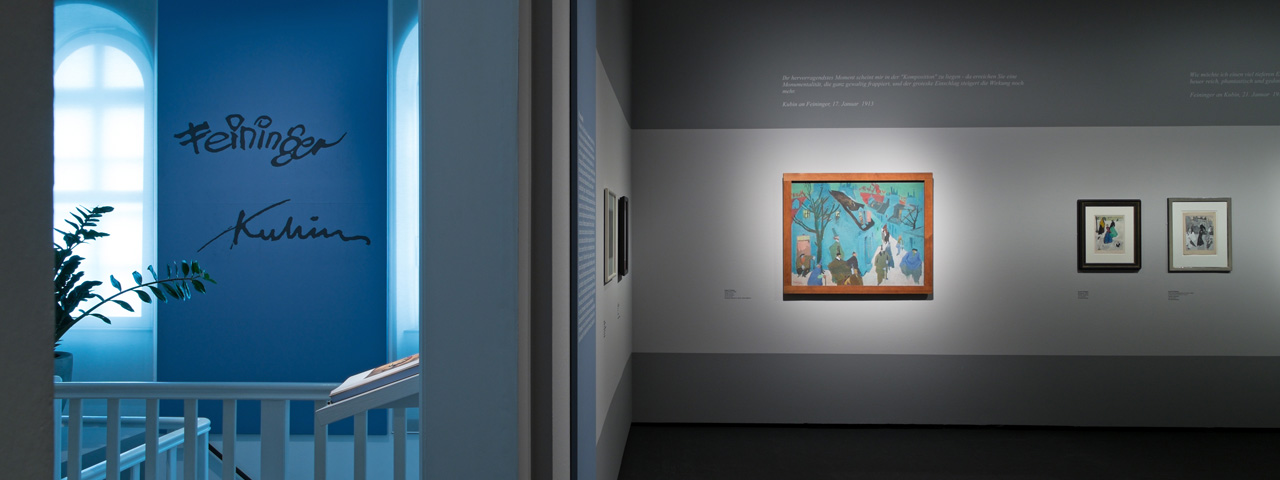
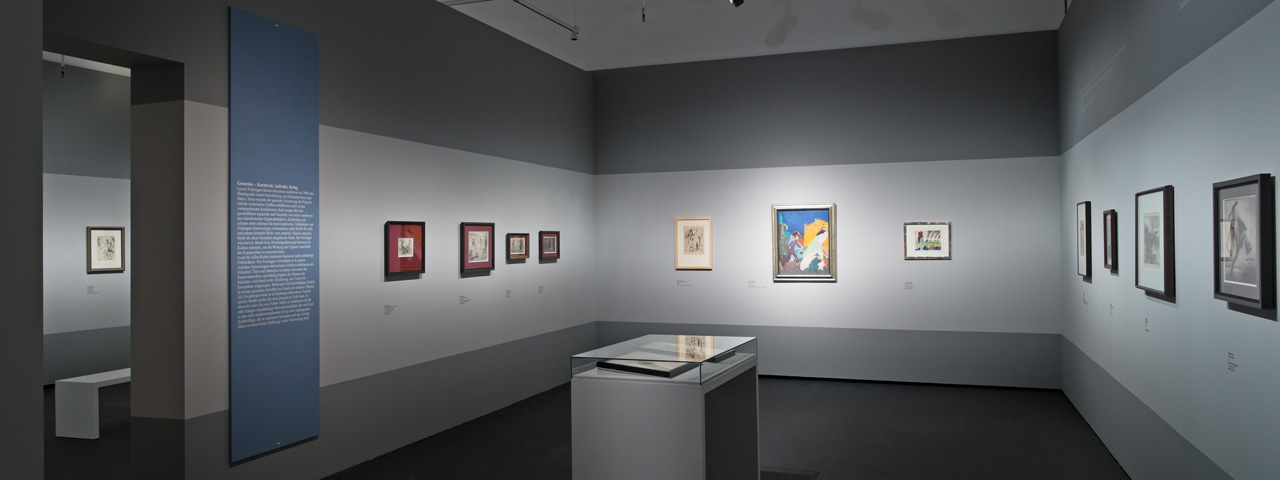
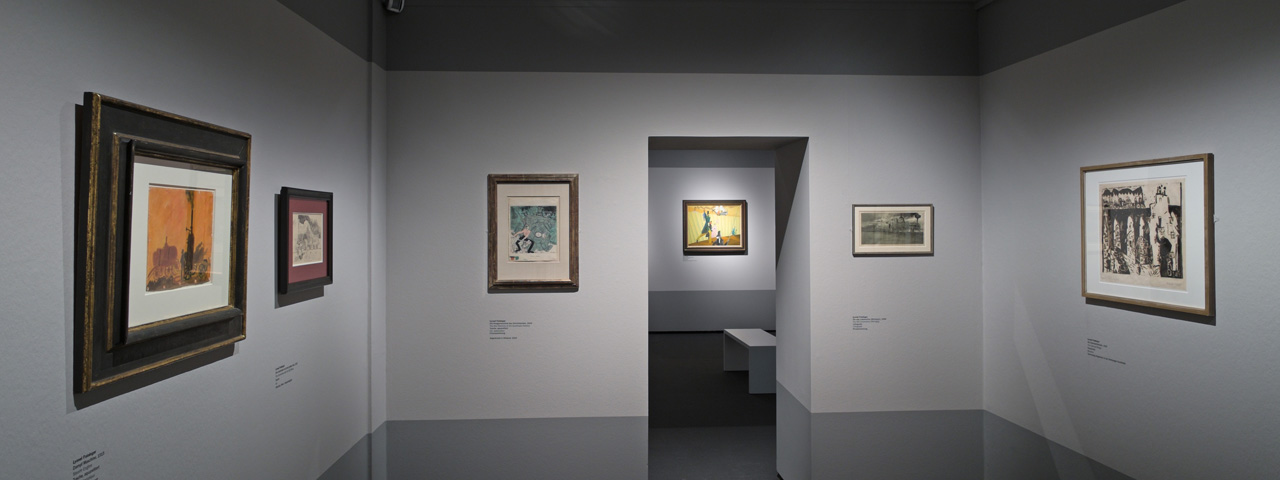
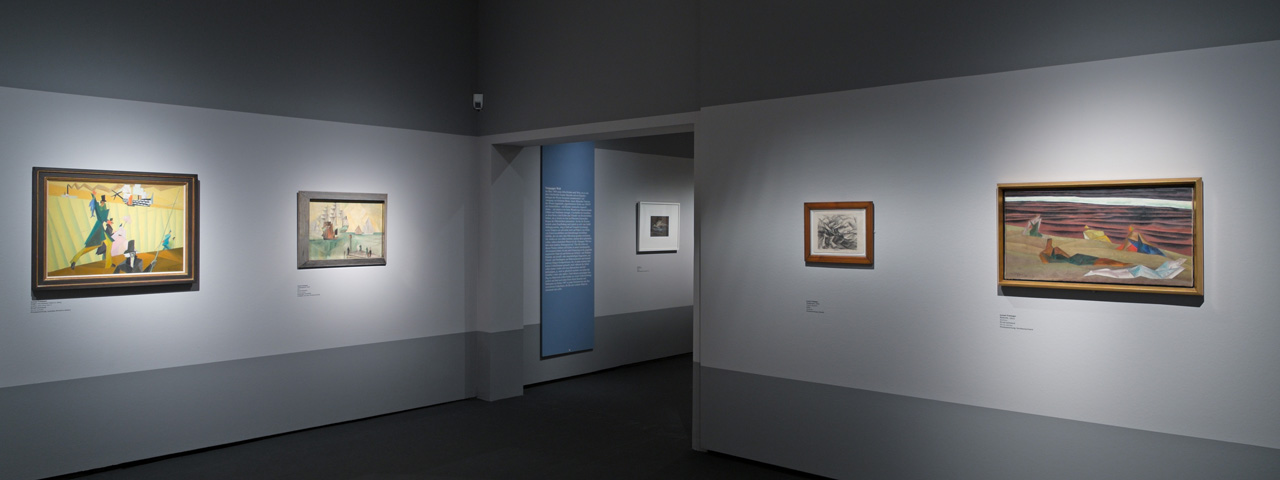
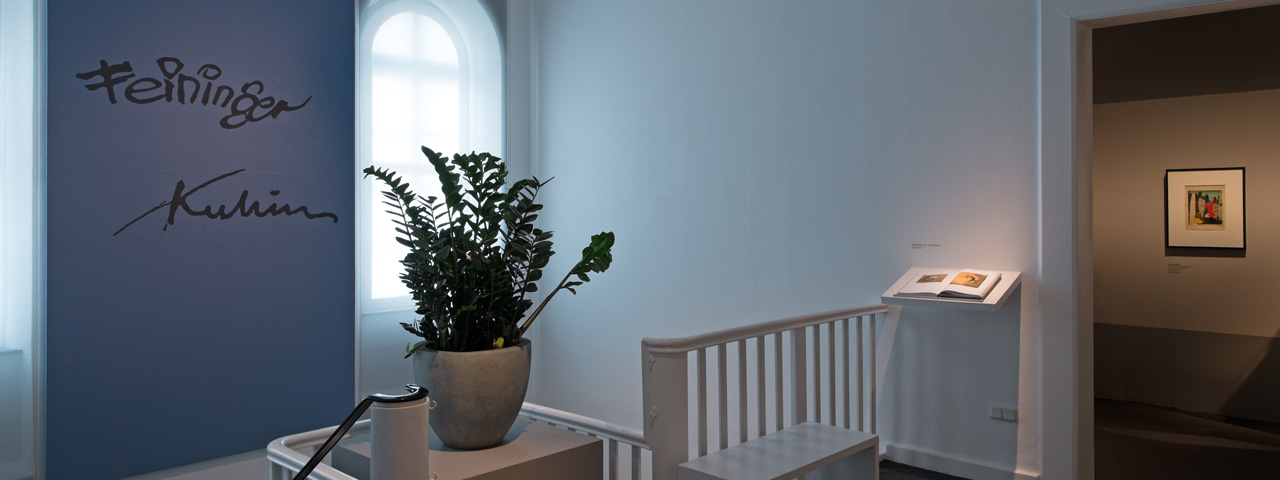
“… of today’s draftsmen, I value you particularly highly,” Alfred Kubin wrote on November 25, 1912, from Wernstein am Inn to Lyonel Feininger. This marked the beginning of a correspondence that, in the years that followed, was to develop into an intensive exchange between the two artists. It began with the Austrian’s suggestion to exchange drawings. Feininger, an American citizen, replied two days later from Zehlendorf near Berlin: “I am deeply honoured that you wish to own a drawing by me; for my part, I have for years been a warm admirer of your work and indebted to it for many a pleasure.”
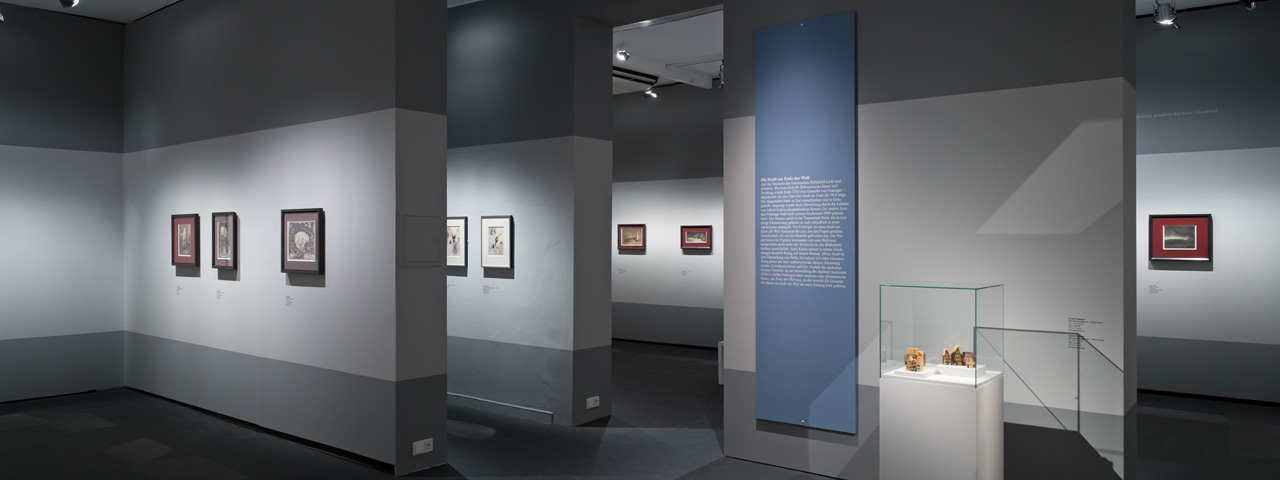
What began as an exchange of drawings quickly became a correspondence in which two introverted artistic personalities opened up to one another, exchanged views on their art, and explored broader ideas in greater depth. Both Kubin and Feininger were familiar with each other’s drawings from the period shortly after 1900, when they were simultaneously contributing drawings to the magazines Der liebe Augustin and Licht und Schatten, which were published there. Kubin was also likely aware of Feininger’s many years of work as a caricaturist for various magazines. And at the beginning of their correspondence, Feininger had already read Kubin’s novel Die andere Seite, published in 1909, and had taken it up as a thematic inspiration in a gouache that was reproduced in Licht und Schatten in early 1911. He titled this depiction “The City at the End of the World,” while Kubin called his city, bathed in grey, Perle.
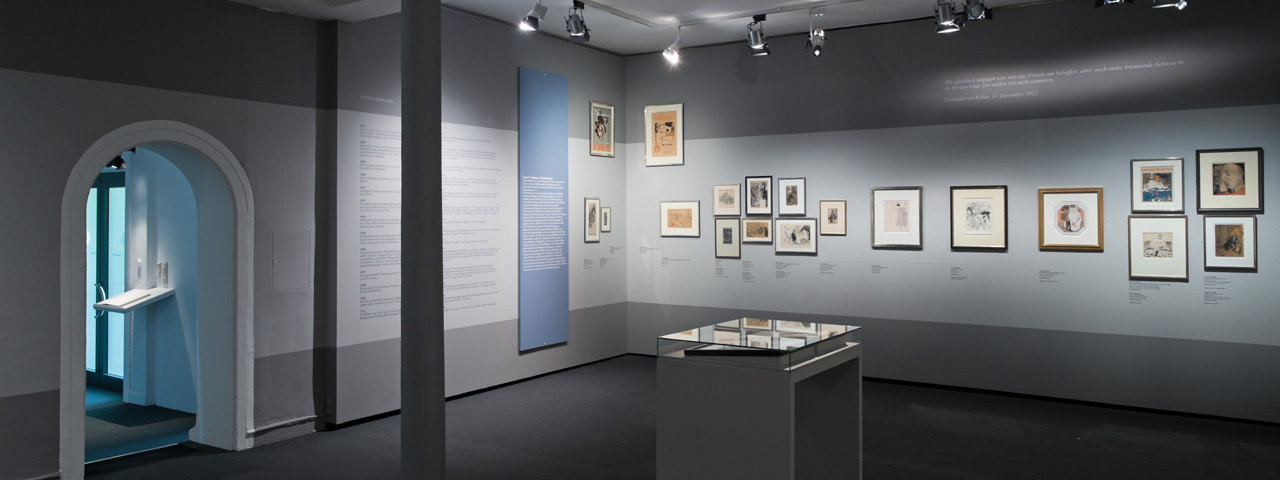
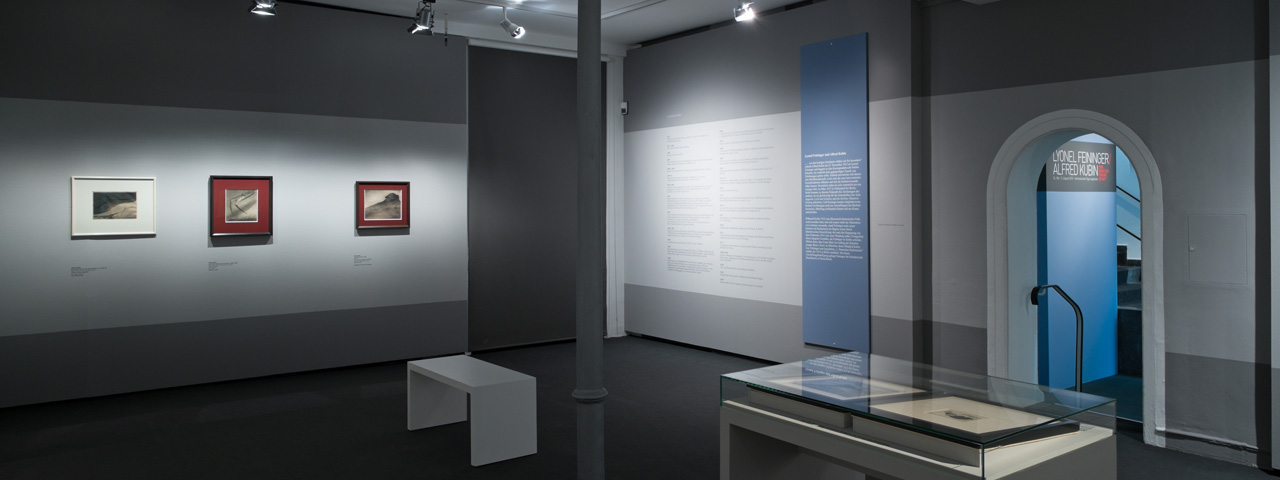
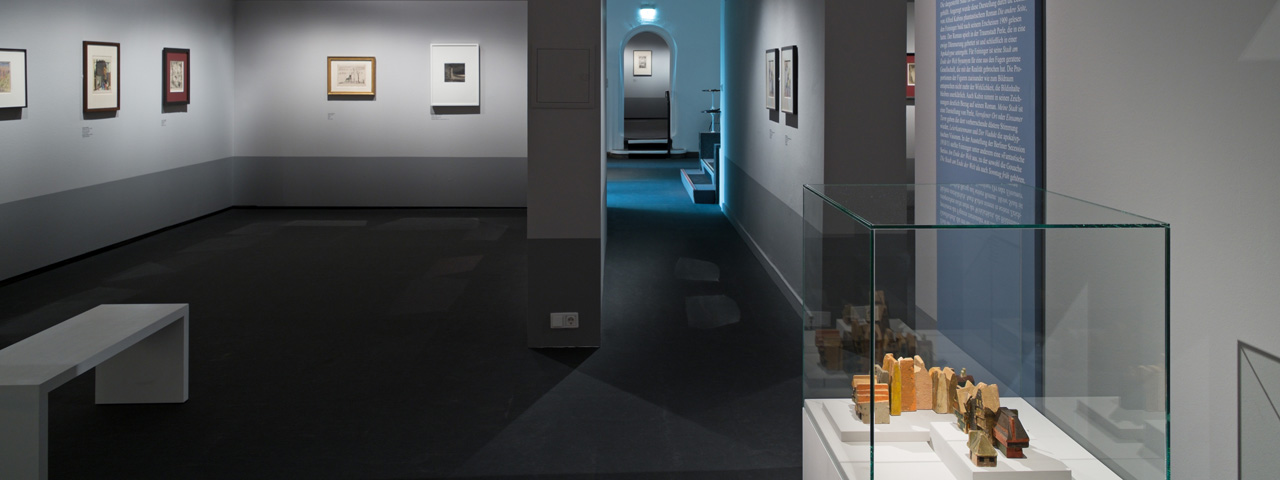
Beginning with Kubin’s early drawings and Feininger’s commercial caricatures, the exhibition traces the further artistic development of both, who encountered one another in their correspondence as “kindred spirits.” Due to the turmoil of the First World War, contact between the two artists largely broke off in 1914 and thereafter continued only sporadically until 1919. Feininger and Kubin developed in very different directions. While for Kubin the illustration of literary works moved to the centre of his practice, Feininger discovered painting, in which his further artistic development primarily unfolded. For this reason, the exhibition in Ingelheim and Vienna will also include a number of Feininger’s early paintings documenting this. For Kubin’s works, the exhibition can draw on the outstanding holdings of the Albertina. The exhibition will also include the drawings the two artists exchanged with one another, which are now held in the Albertina and the Busch-Reisinger Museum, Harvard University.
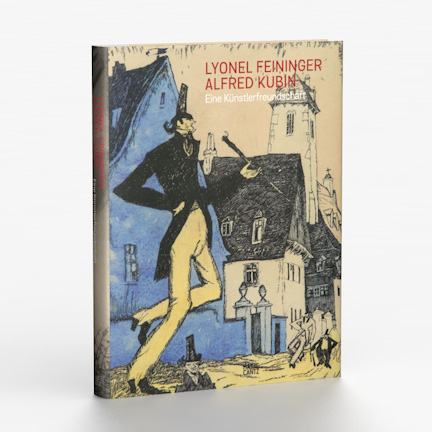
Lyonel Feininger / Alfred Kubin
23 x 30 cm, 312 pages, with texts by Ulrich Luckhardt, Eva Michel and Andreas Geyer, as well as the complete correspondence between Alfred Kubin and Lyonel Feininger, edited and annotated in full for the first time by Roland März. Published by Hatje Cantz.