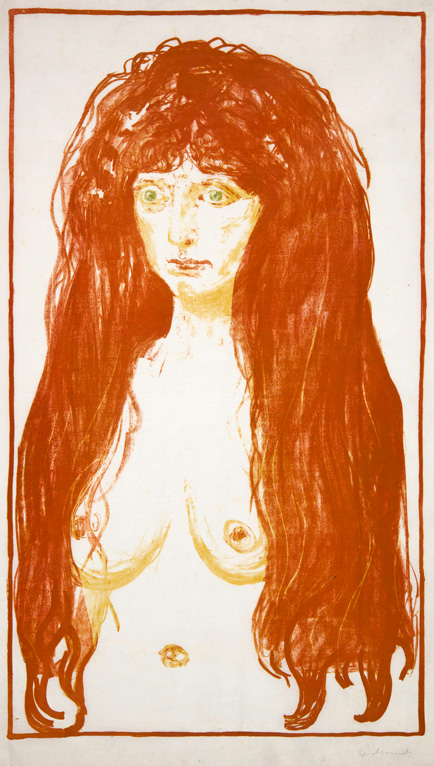

Edvard Munch
Master Prints
May 1 to July 10, 2022
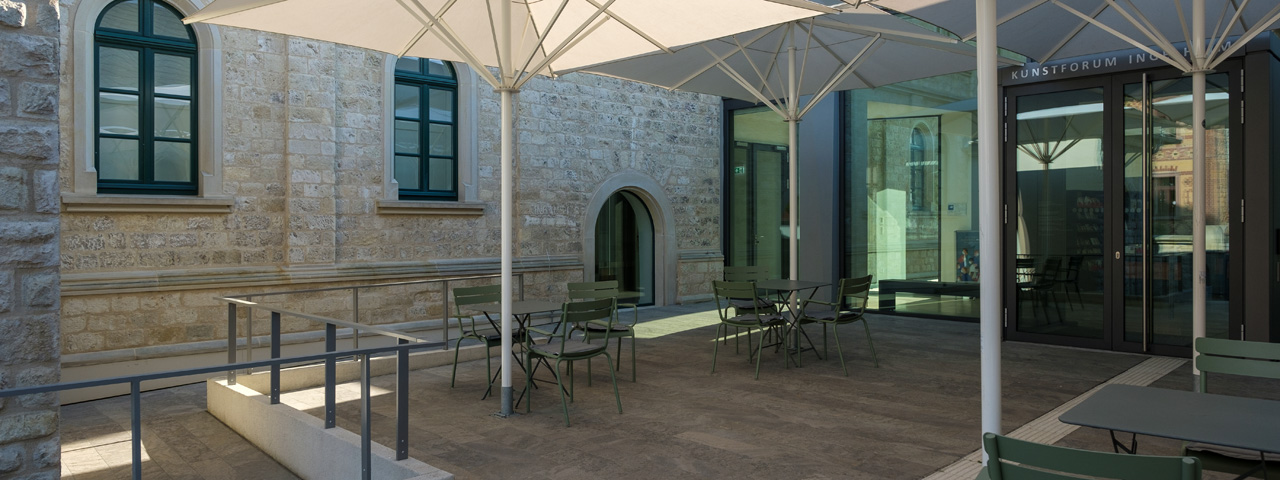
Kunstforum Ingelheim – Altes Rathaus
Kunstforum Ingelheim – Altes Rathaus →
Children’s Quiz on the Exhibition →
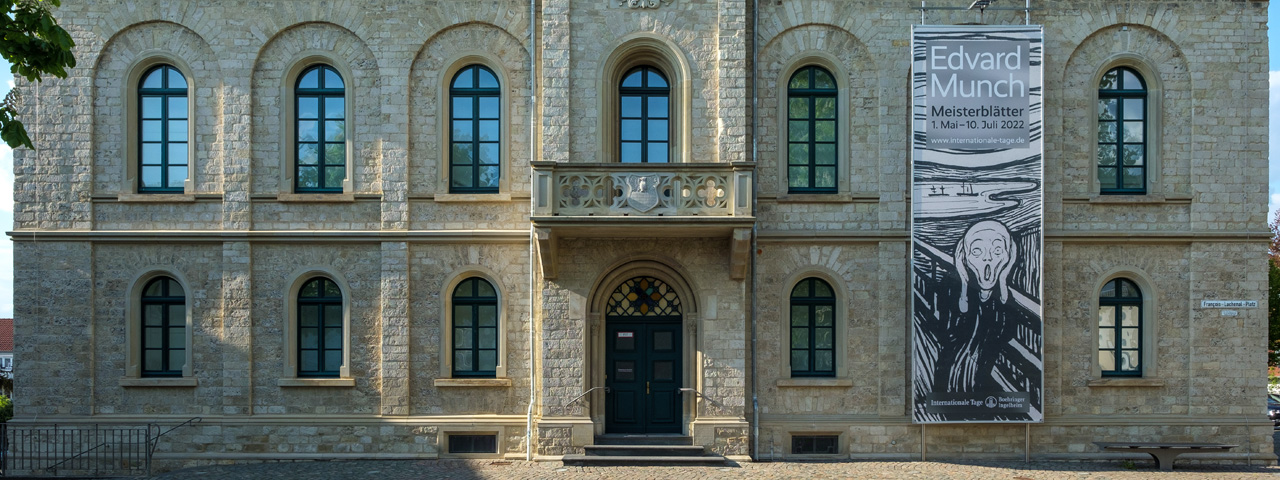
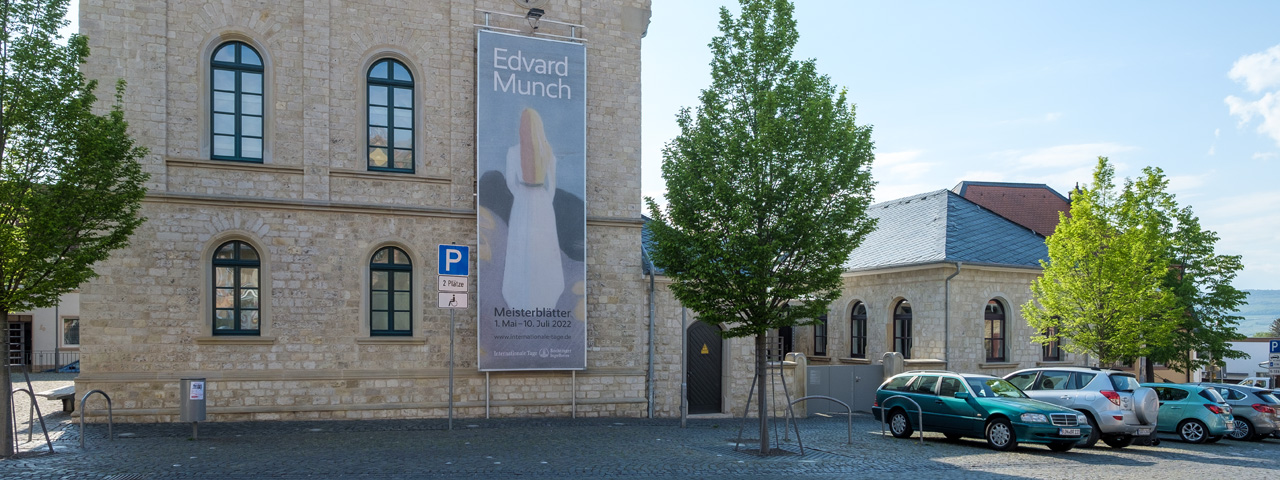
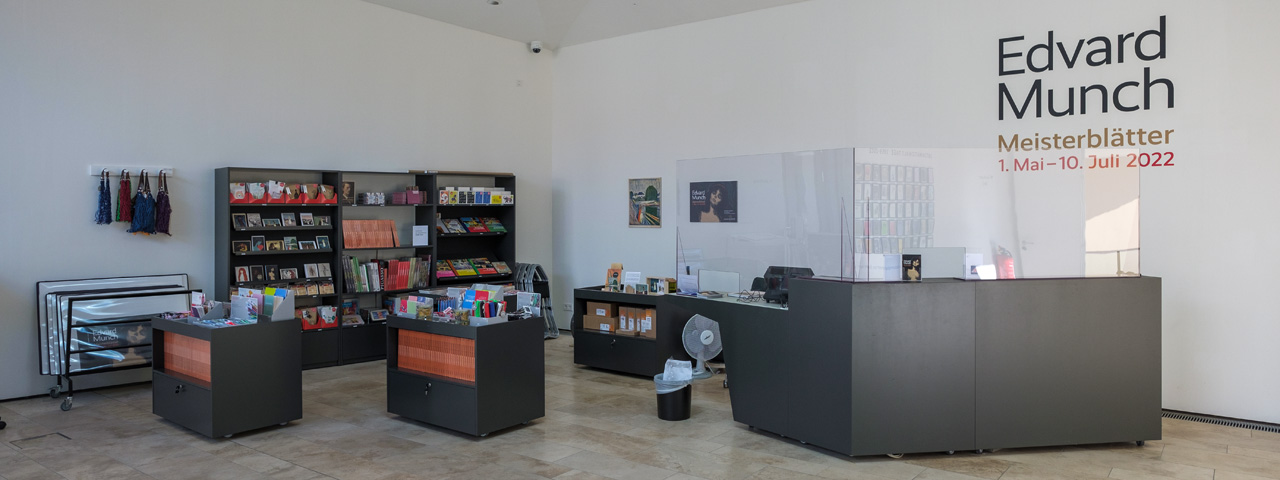
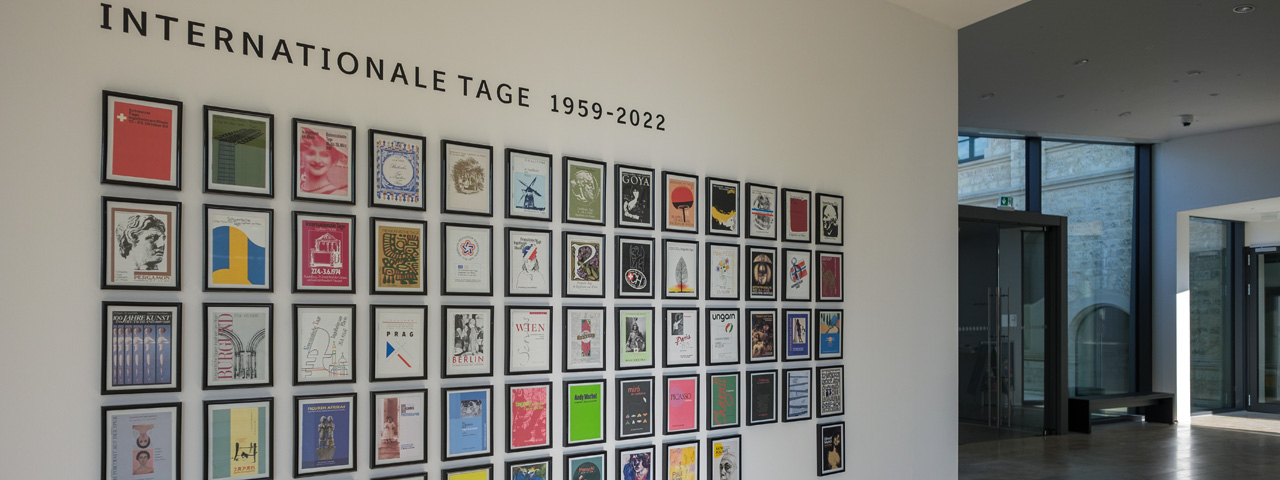
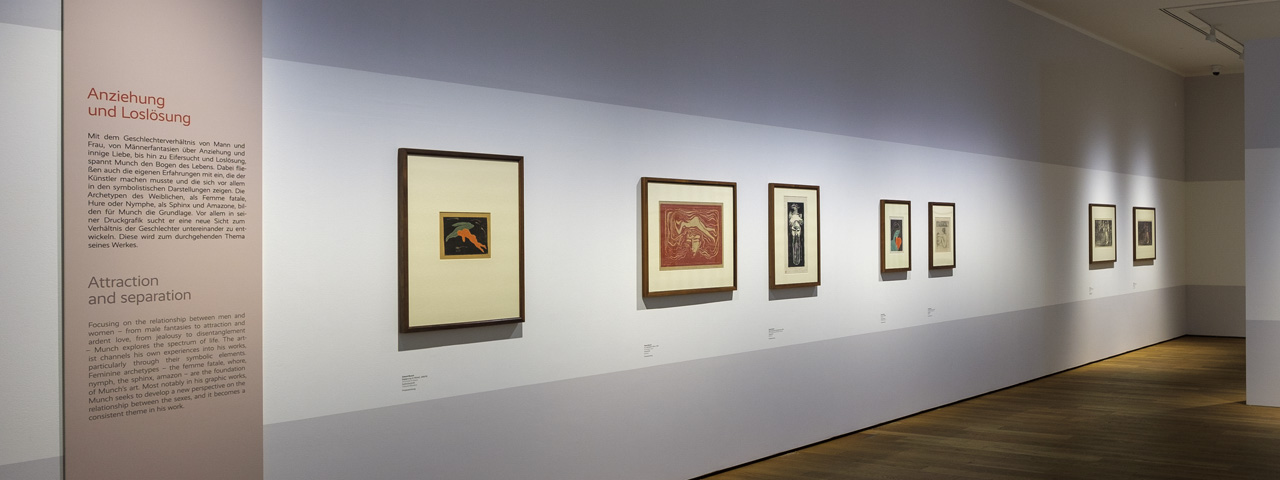
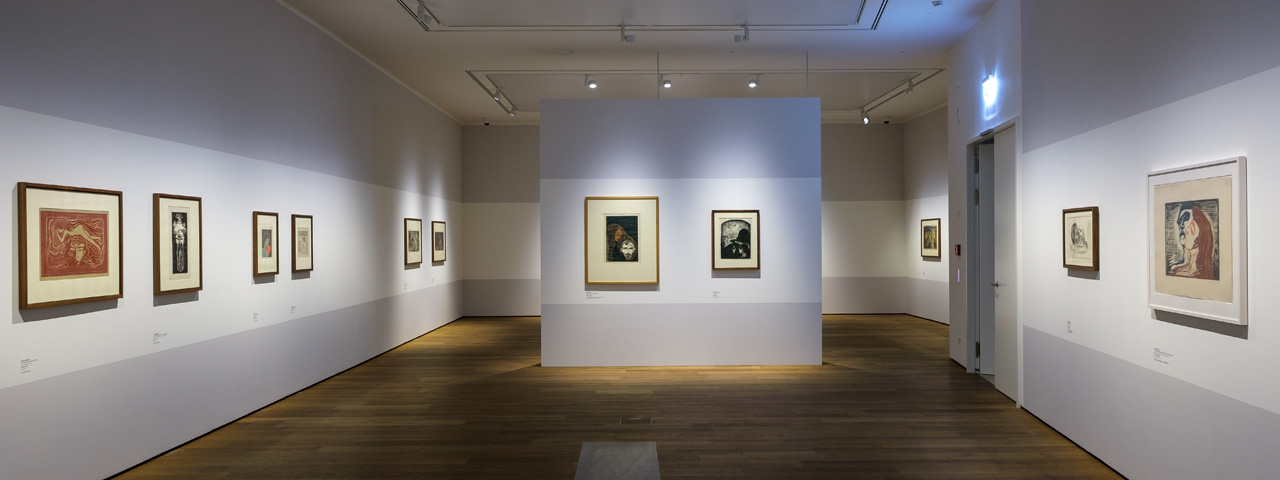
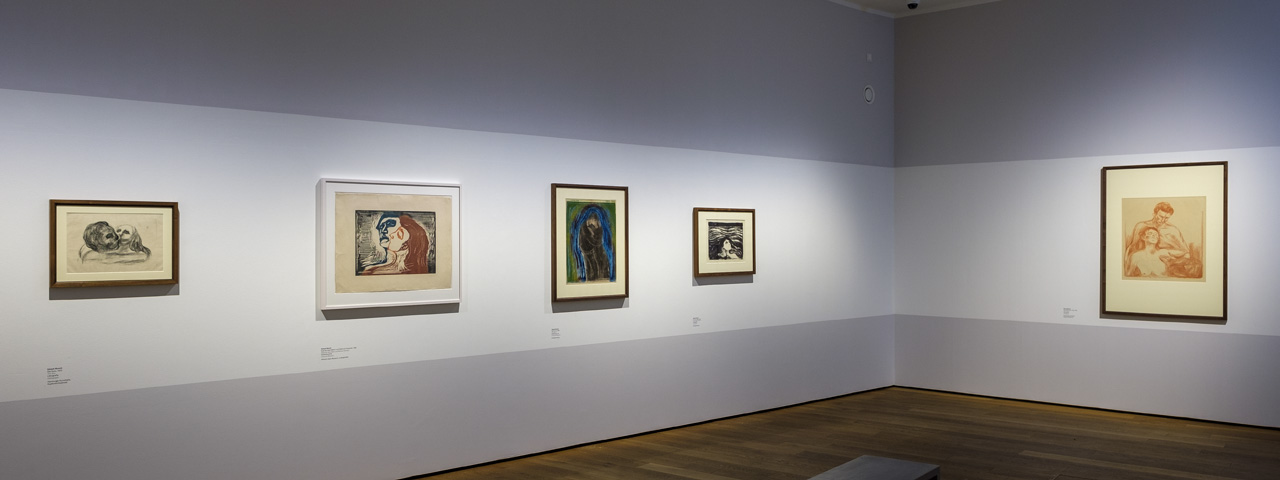
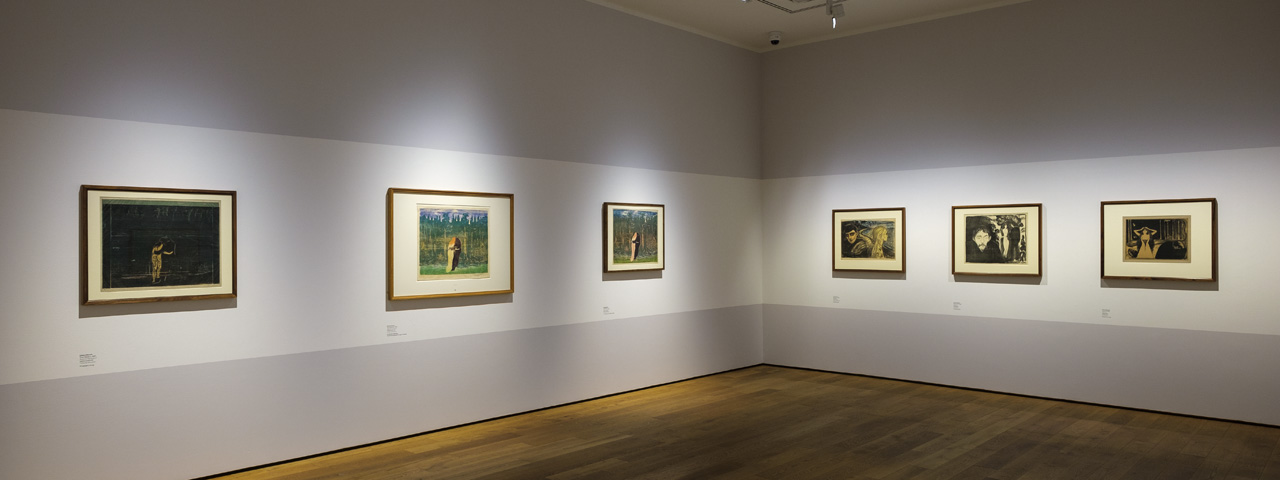
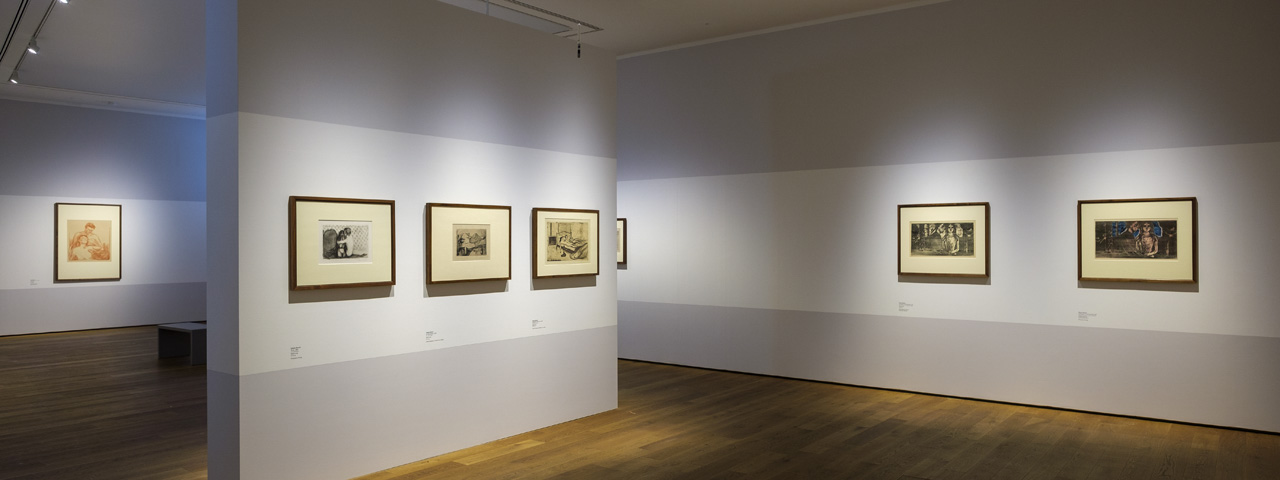
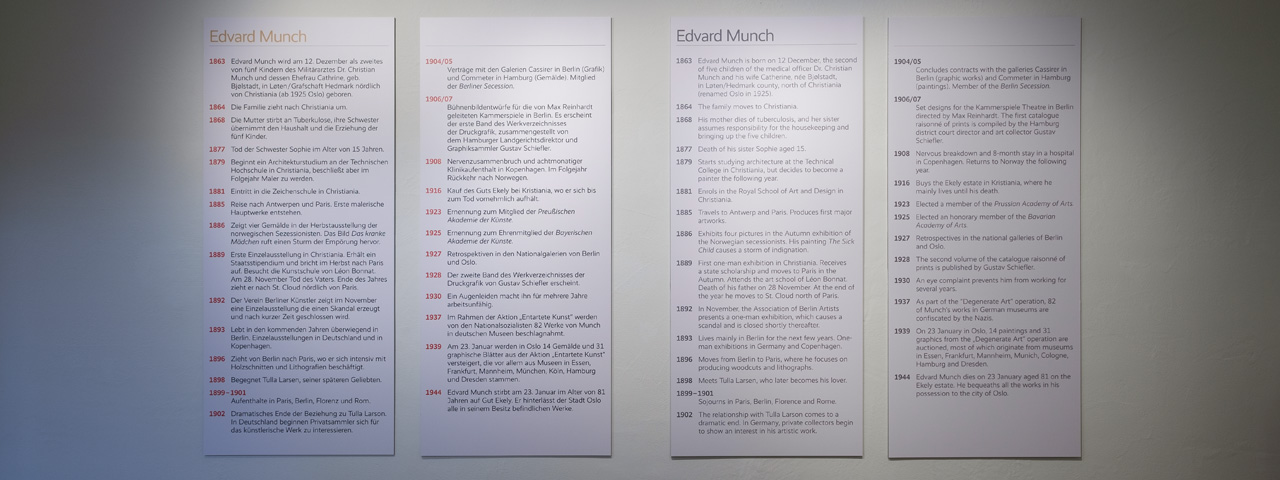
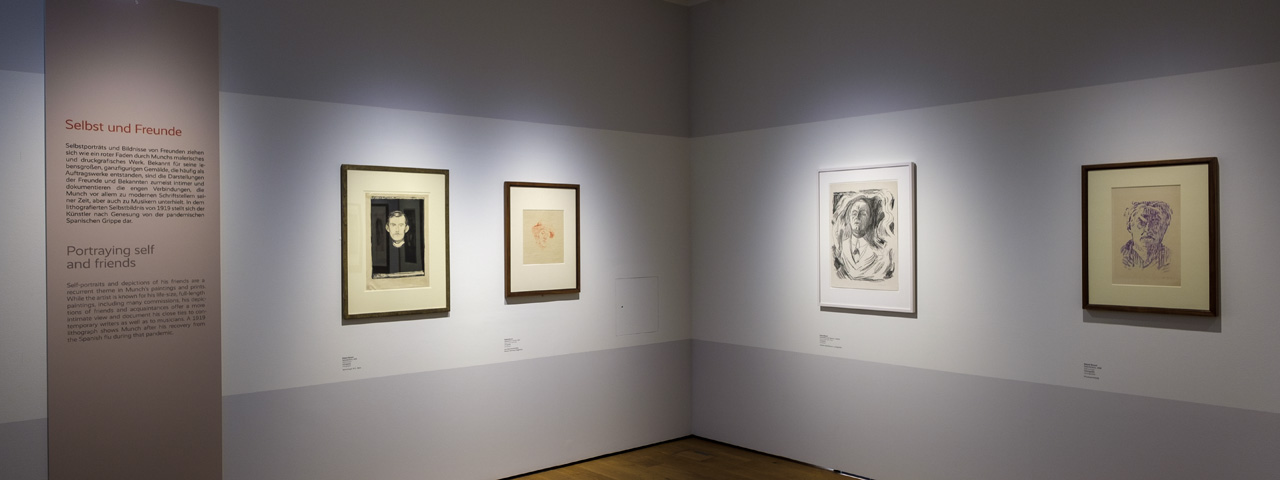
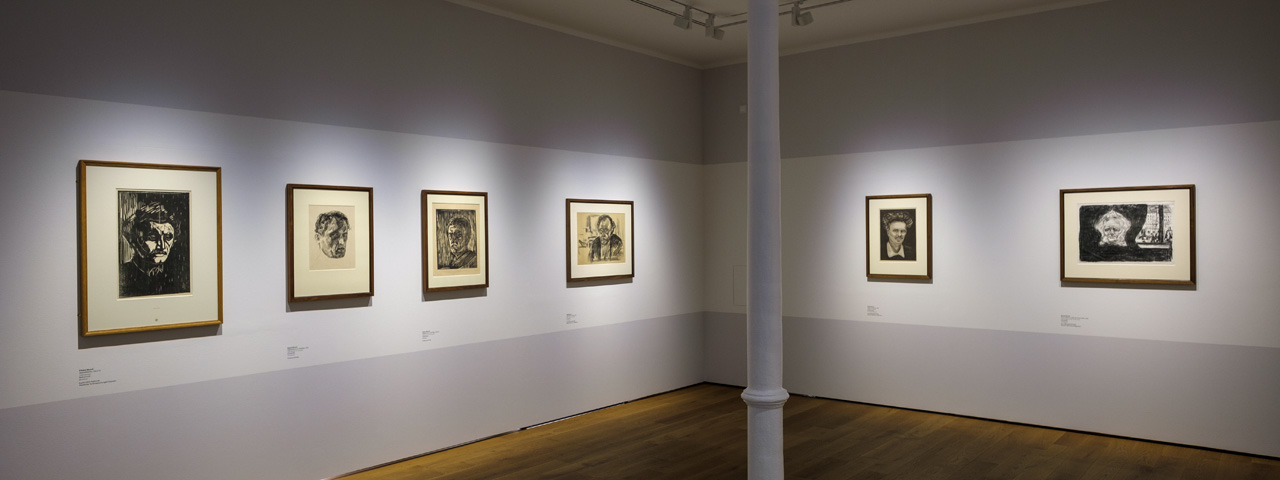
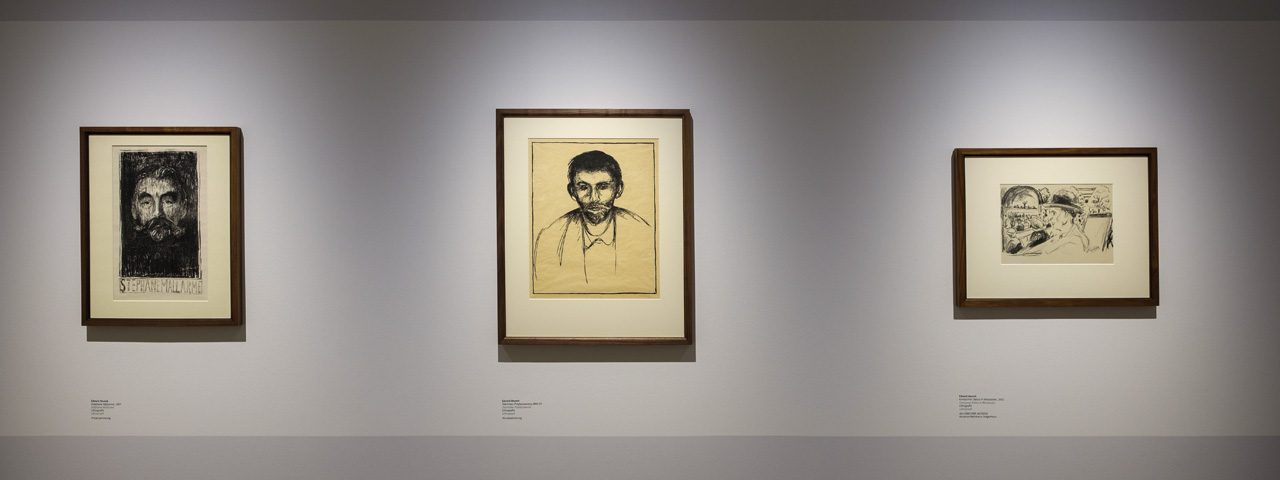
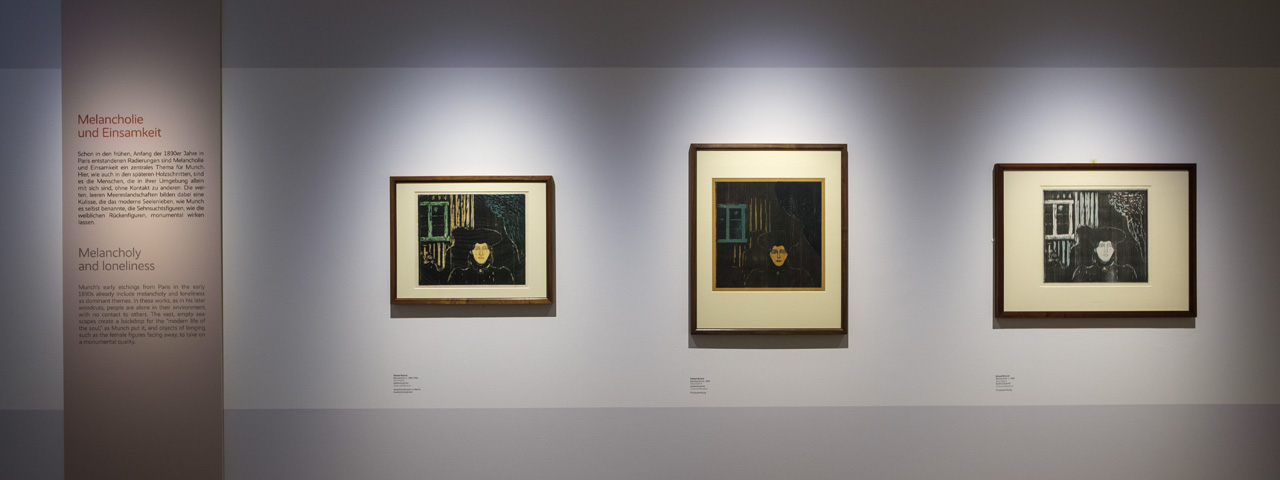
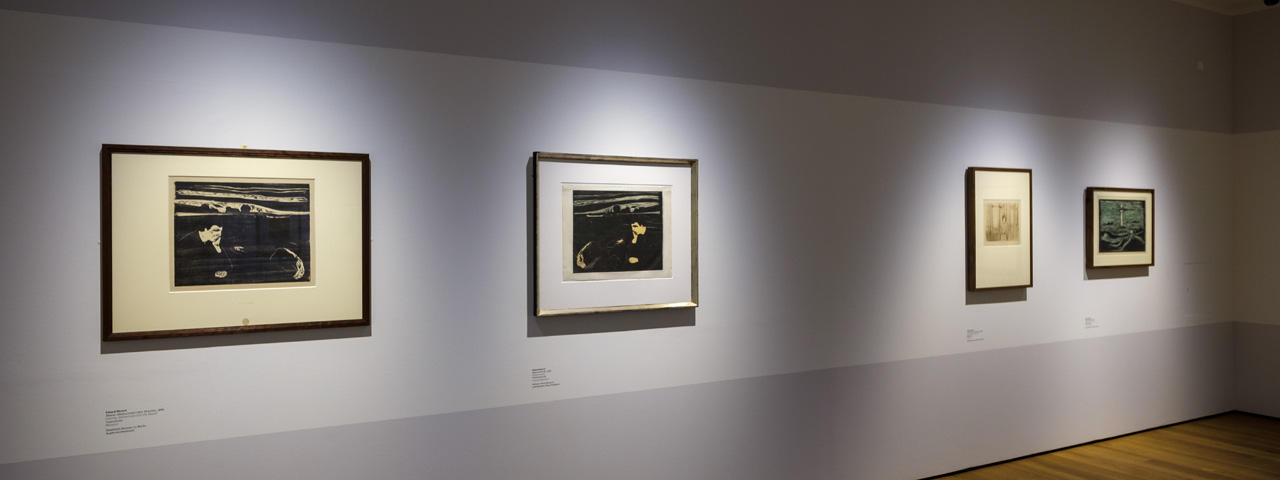
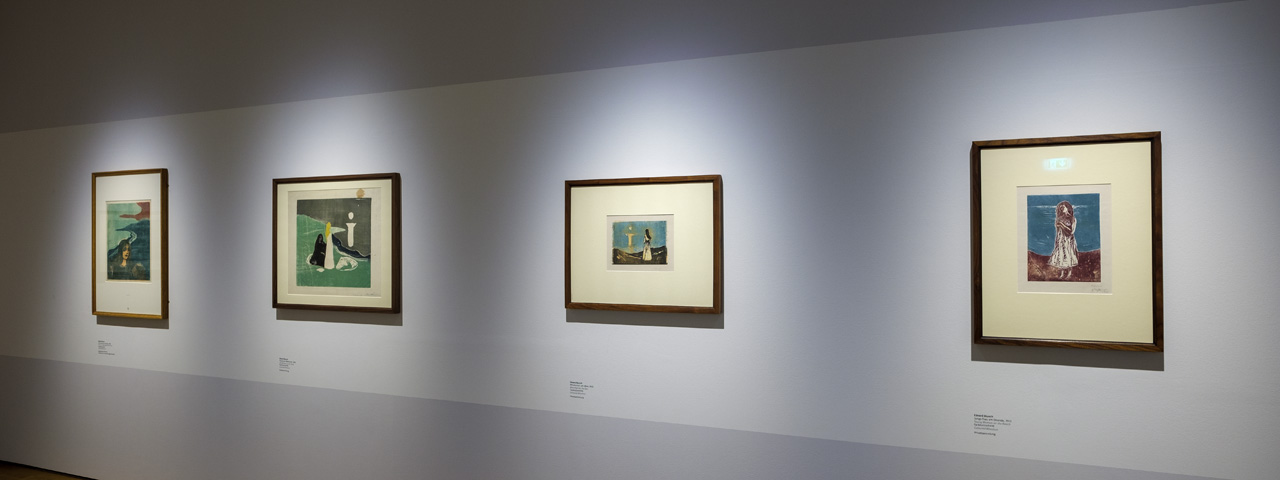
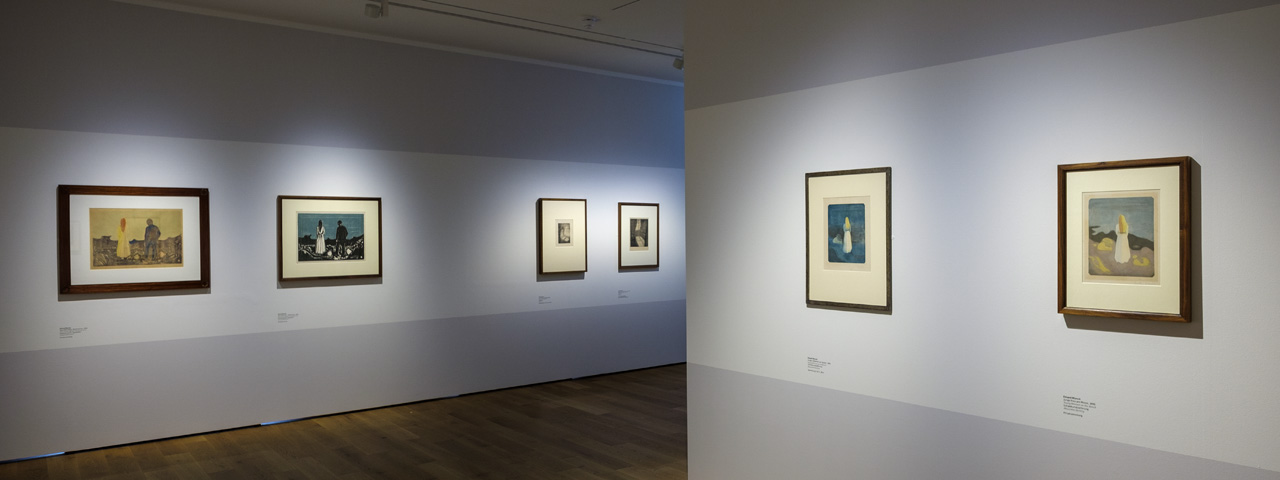
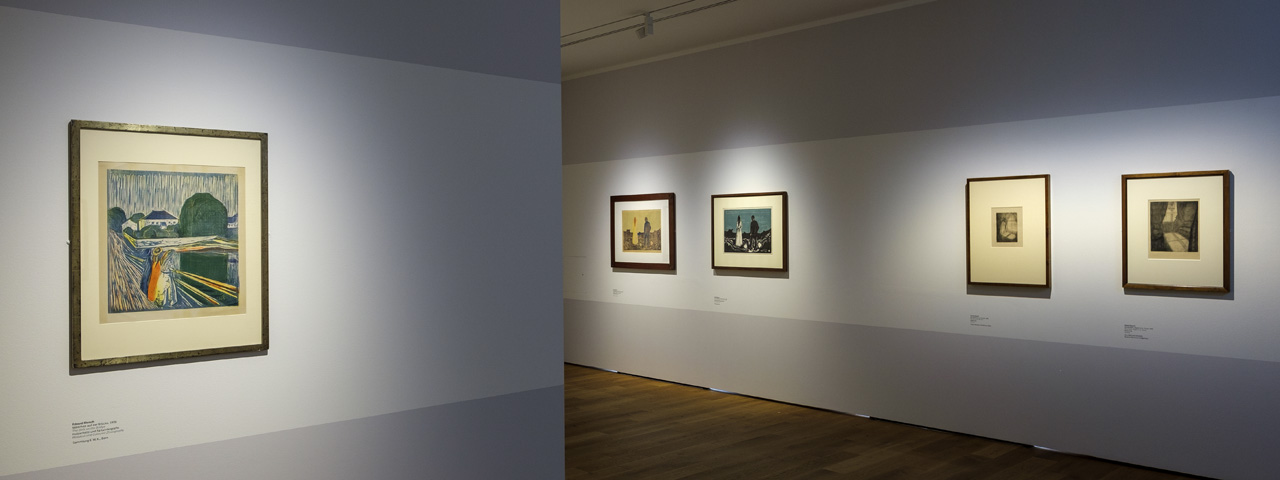
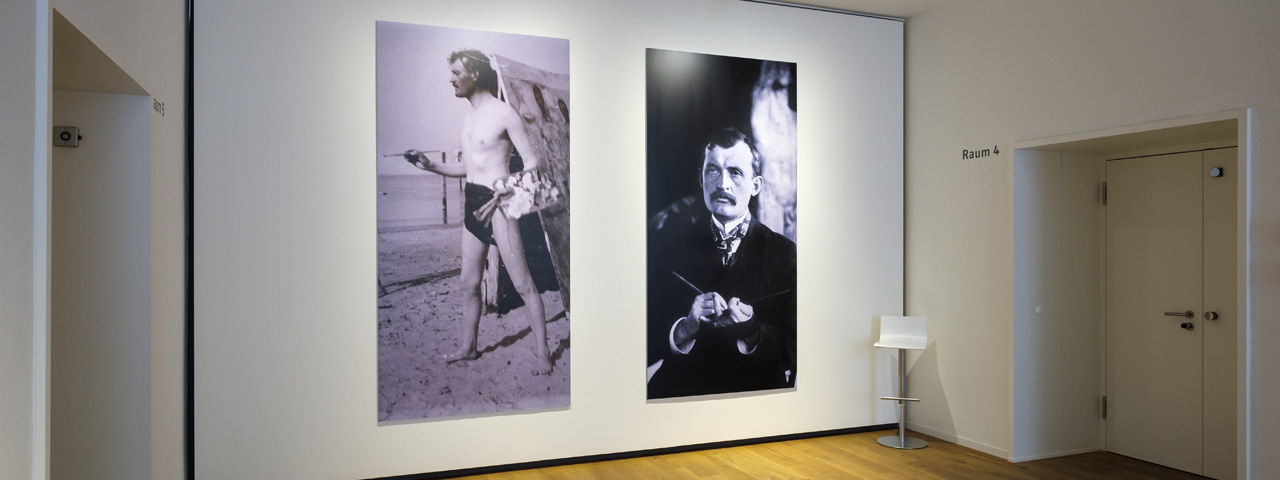
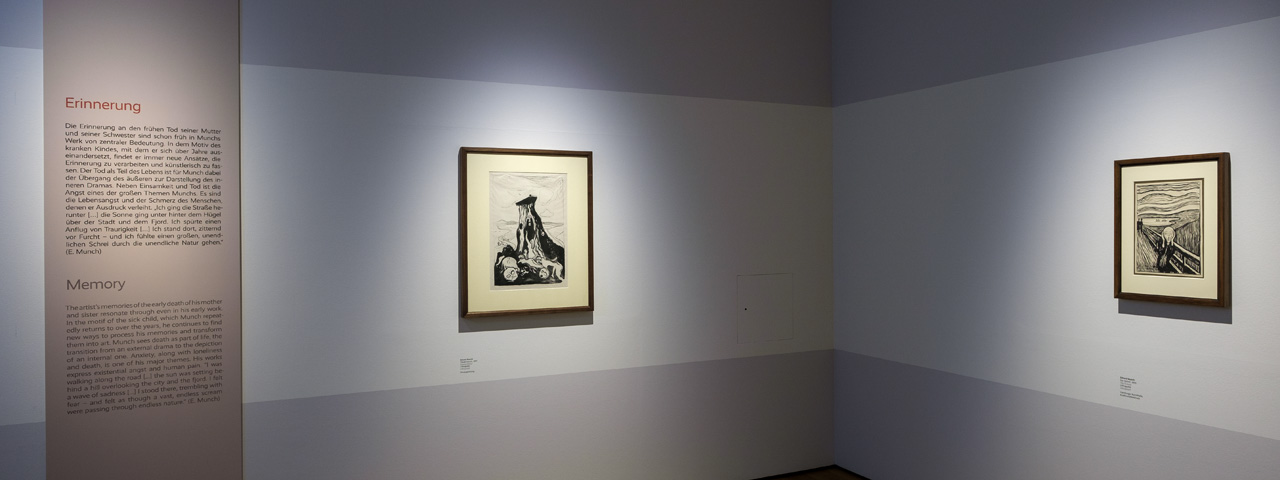
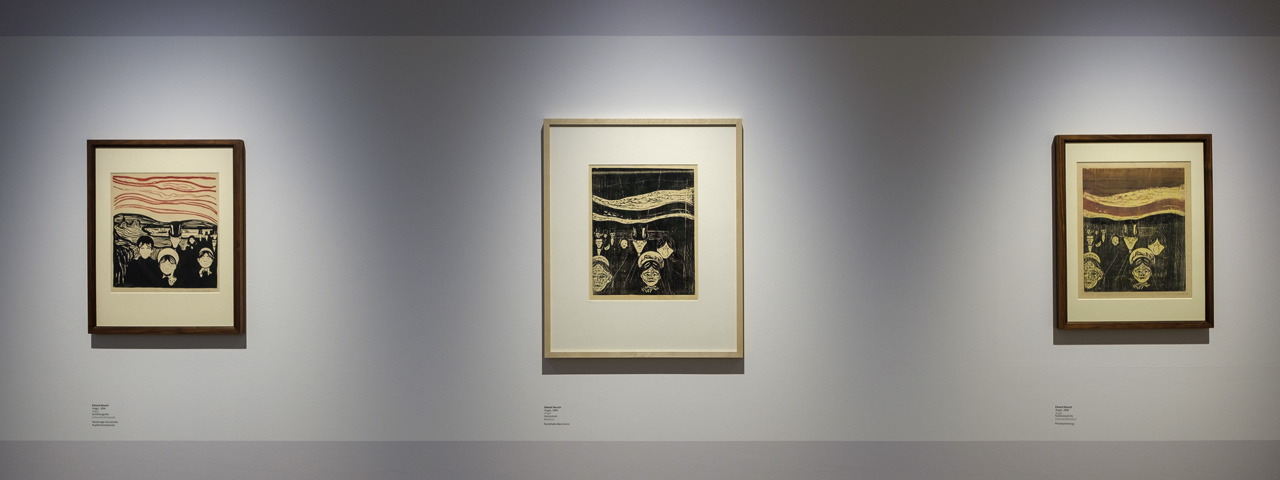
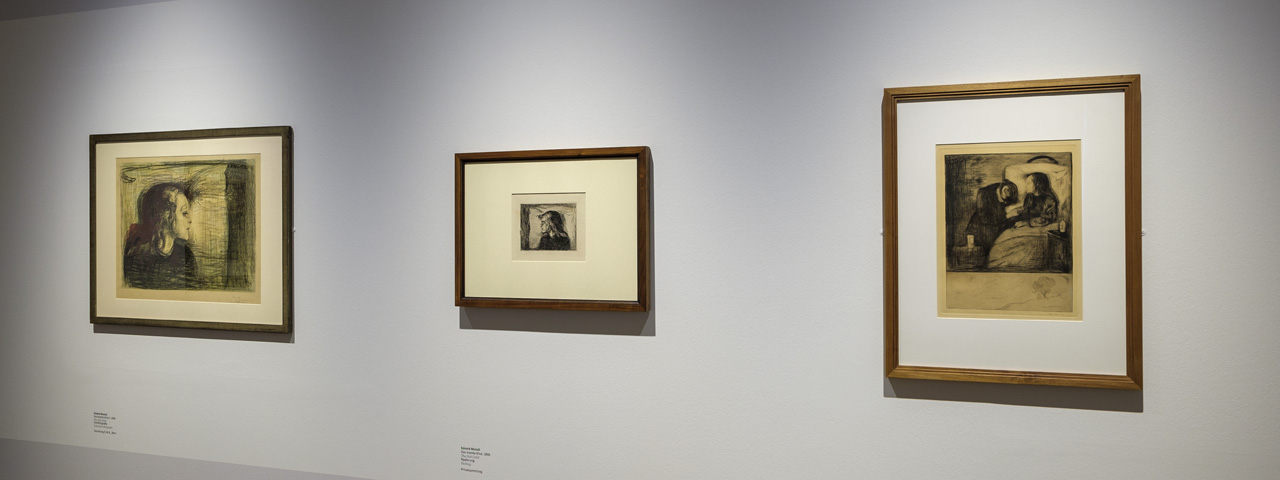
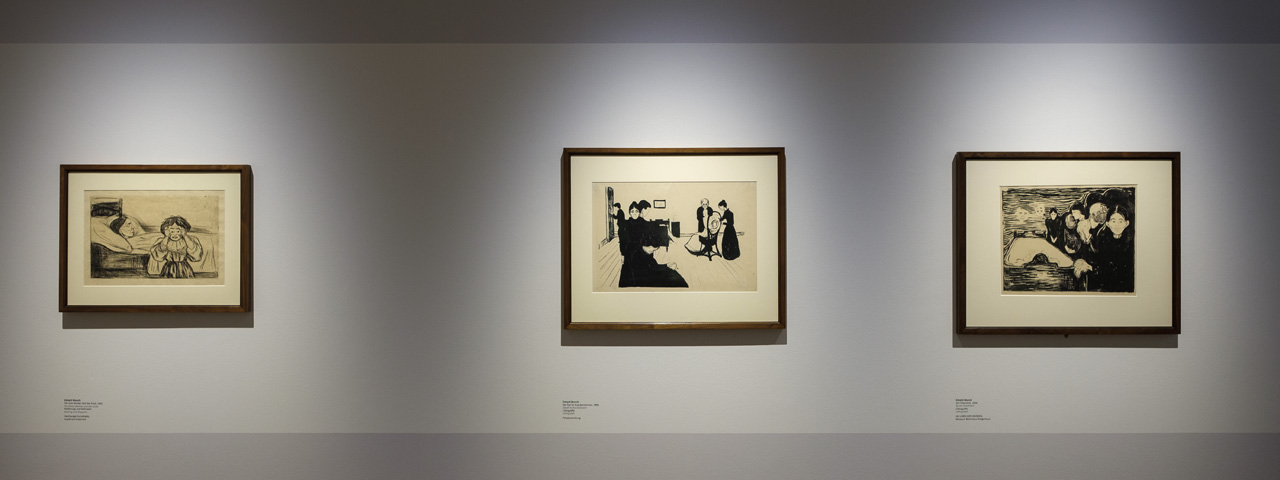
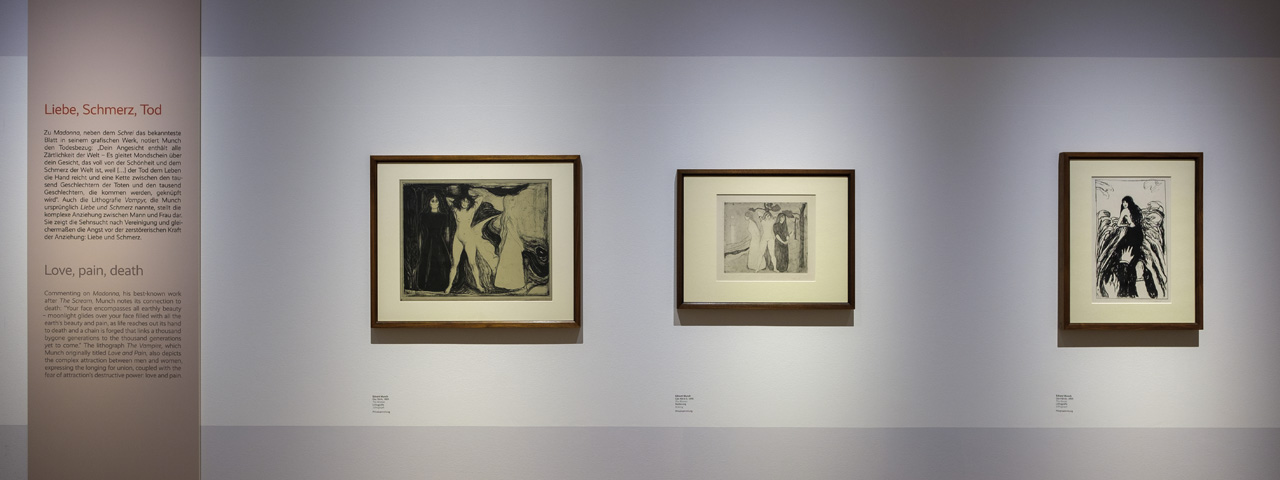
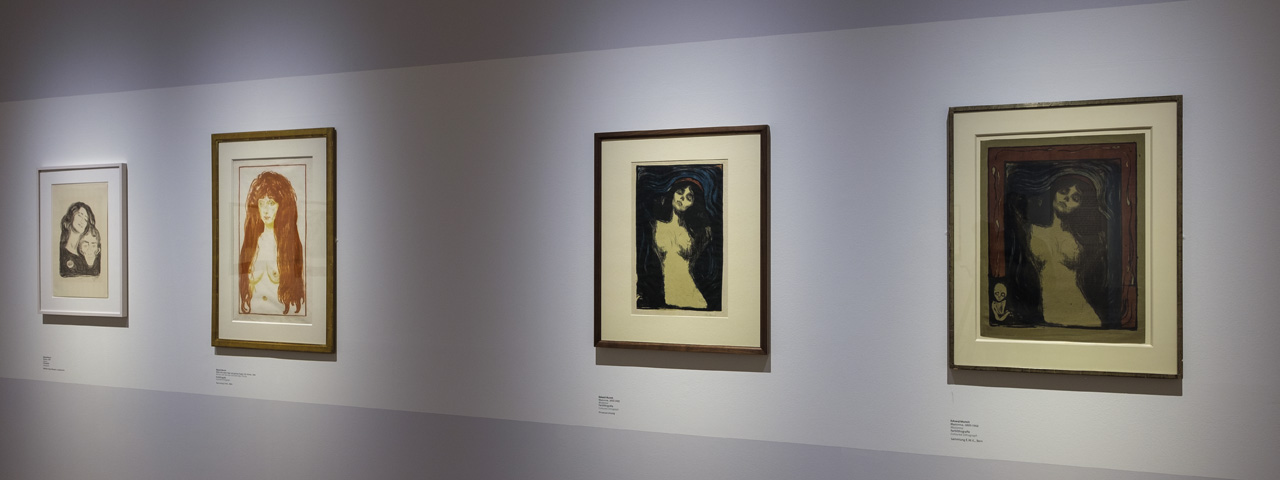
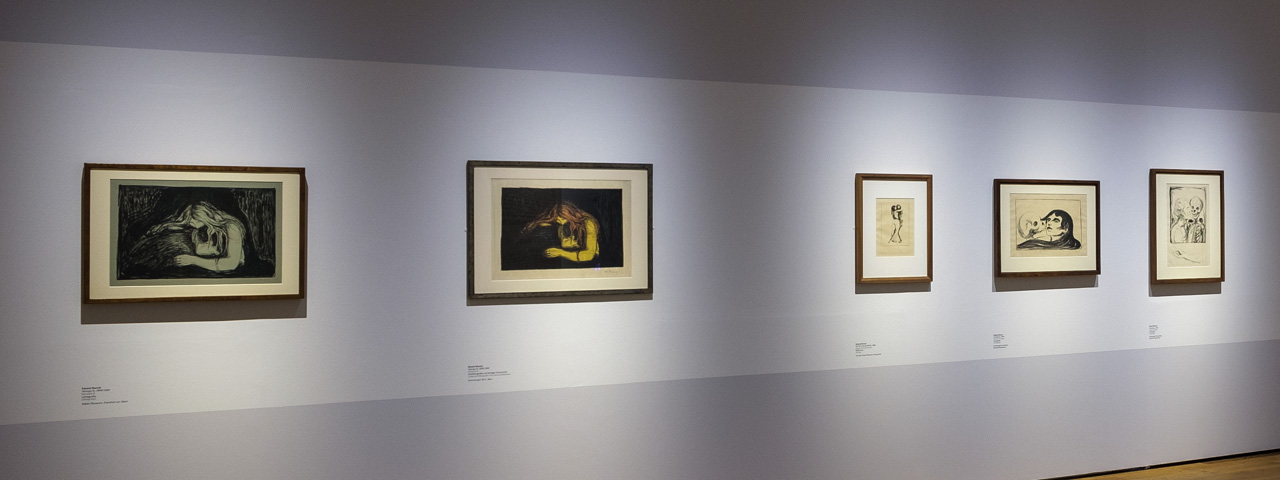
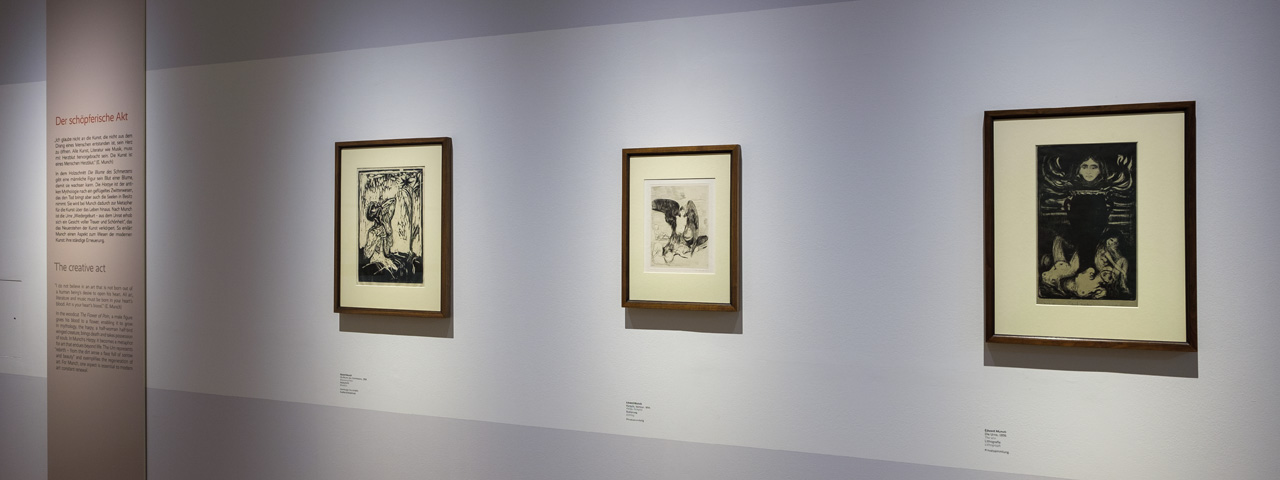
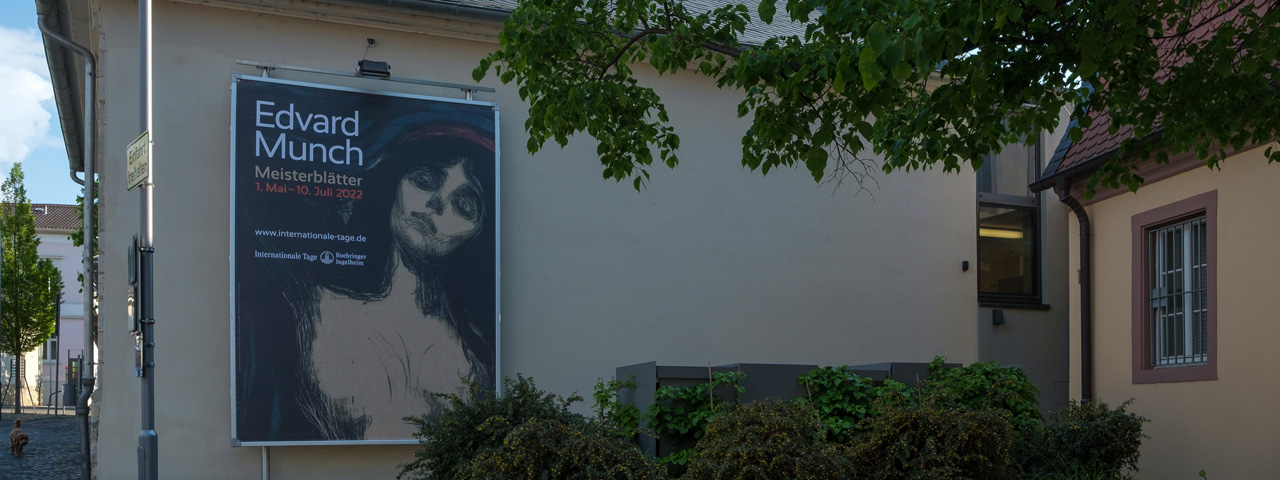
The 2022 Internationale Tage exhibition is dedicated to the Norwegian artist Edvard Munch. Born in 1863, Munch quickly developed into one of the most significant and influential painters and printmakers of early modernism in Europe.
After a brief art education in Christiania (now Oslo), he traveled to Paris for the first time in 1889, where he engaged with the symbolism of the late century. Personal tragedies such as the early death of his mother and a sister, as well as unhappy relationships with women, shaped Munch’s artistic work from an early stage. The relationship between the sexes, with its facets of happiness and fear, expectation and longing, became the fundamental theme of his art, which increasingly moved away from symbolism after the turn of the 20th century.
Munch now developed his own psychological visual language between deeply felt melancholy, loneliness, and fear of death. When these works were first exhibited in Germany in 1892 at the Verein Berliner Künstler in Berlin, they caused a scandal that led to the closure of the exhibition. Celebrated by the young generation of artists, writers, and intellectuals, this established Munch’s great influence not only on the visual arts in Germany.
In addition to painting, a very extensive body of printmaking work emerged from 1894 onwards, largely self-taught, which took up the themes of the paintings. In their technical perfection and unique experiments combining different printing techniques, Munch’s printmaking work became an artistic pinnacle in this genre.
Through approximately 90 often colored works—etchings, lithographs, woodcuts, and hectographs—the exhibition presents an overview of Edvard Munch’s work. Tailored to the spaces in the Kunstforum Ingelheim – Altes Rathaus, five thematically oriented rooms will be created.
Beginning with the relationship between man and woman, from male fantasies through courtship and intimate love to separation and shared death, an arc of life is visualized here. Together with the self-portraits, the portraits of writers such as Henrik Ibsen and August Strindberg or the composer Delius testify to Munch’s close connections to other artistic fields. A further focus is on the melancholy and loneliness of people, both in interior spaces and before the open seascape, whereby these become profound expressions of the human soul.
The life of the soul is also a central theme in the works that deal with fear, illness, and death, with the motif of the sick child at the center. At the end are the idealizations in the depictions of women, whom Munch stylizes as madonnas desired by men or who, as “Vampyr” or “Harpy,” also represent a mortal danger to them.
This year’s exhibition presents works made available by a number of museums and private collections. An extensive catalog is being published by HIRMER Verlag.
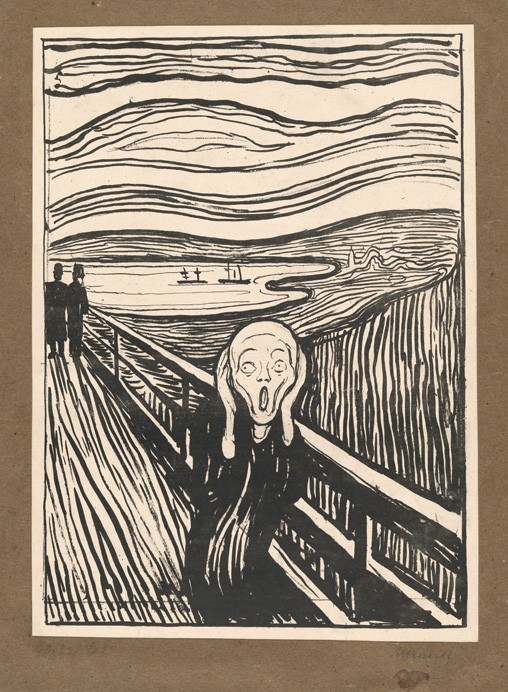
Edvard Munch
The Scream, 1895
Lithograph, 25.5 x 26.3 cm
Hamburger Kunsthalle/bpk
Photo: Christoph Irrgang
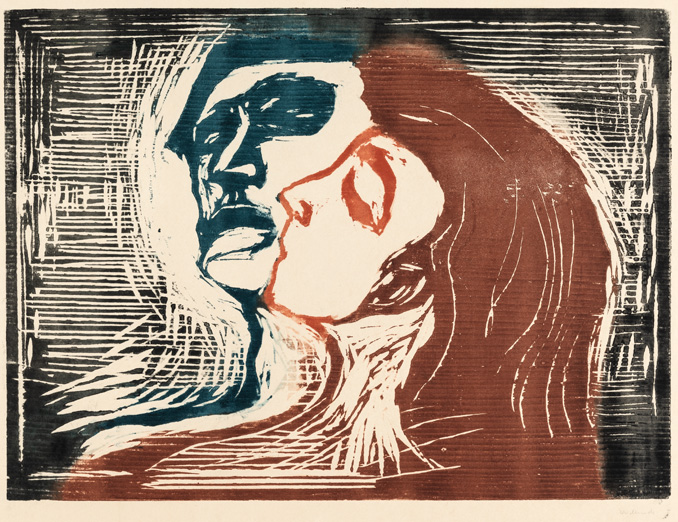
Edvard Munch
Head by Head (Man and Woman Kissing), 1905
Color woodcut, 59.5 x 77 cm
Wilhelm-Hack-Museum, Ludwigshafen
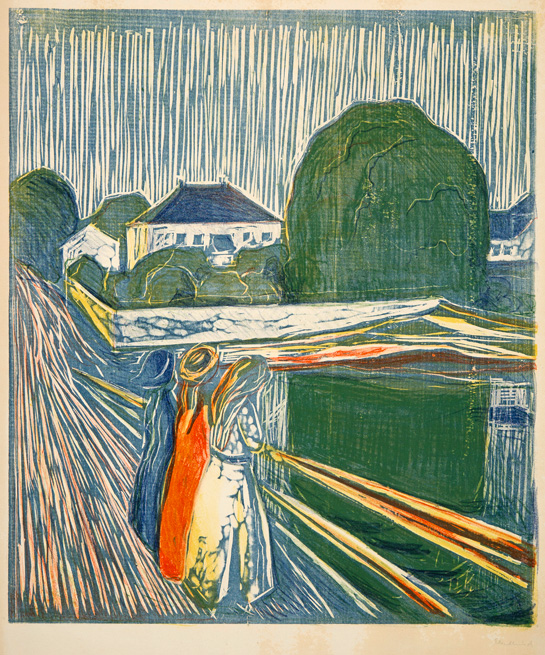
Edvard Munch
Girls on the Bridge, 1920
Woodcut and color lithograph
42 x 56.5 cm
Collection E.W.K., Bern
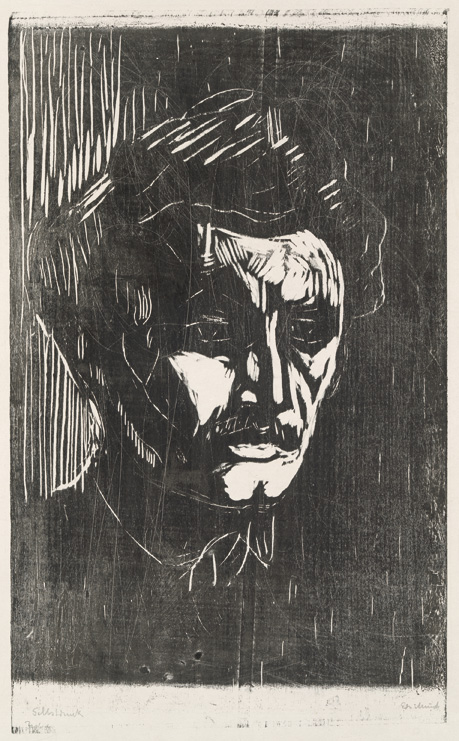
Edvard Munch
Self-Portrait Facing Left, 1912/13
Woodcut, 44.2 x 35.1 cm
Private collection
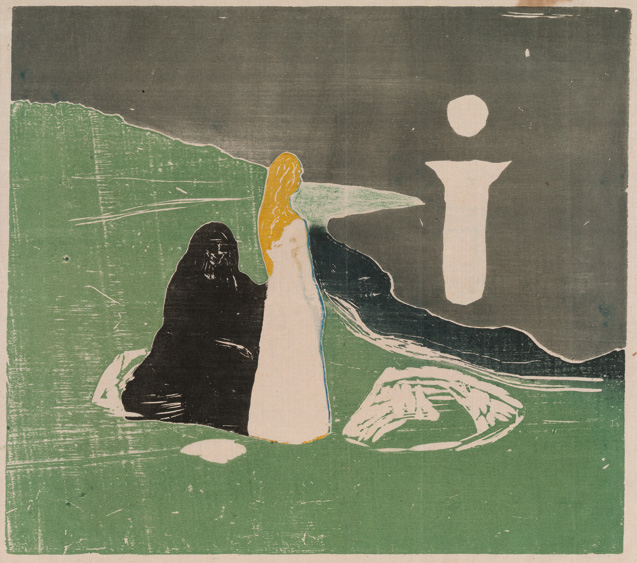
Edvard Munch
Women on the Shore, 1898
Color woodcut and linocut, 45.4 x 51.4 cm
Private collection
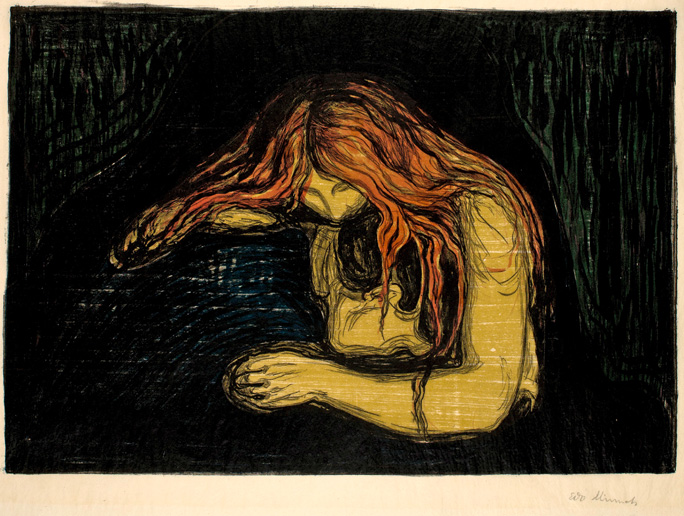
Edvard Munch
Vampyr II, 1895–1902
Color lithograph and color woodcut
38.8 x 56 cm
Collection E.W.K., Bern
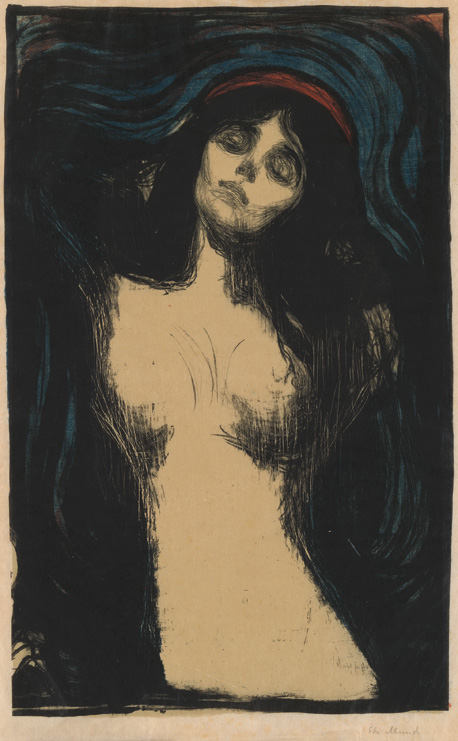
Edvard Munch
Madonna, 1895/1902
Color lithograph, 65 x 49 cm
Private collection